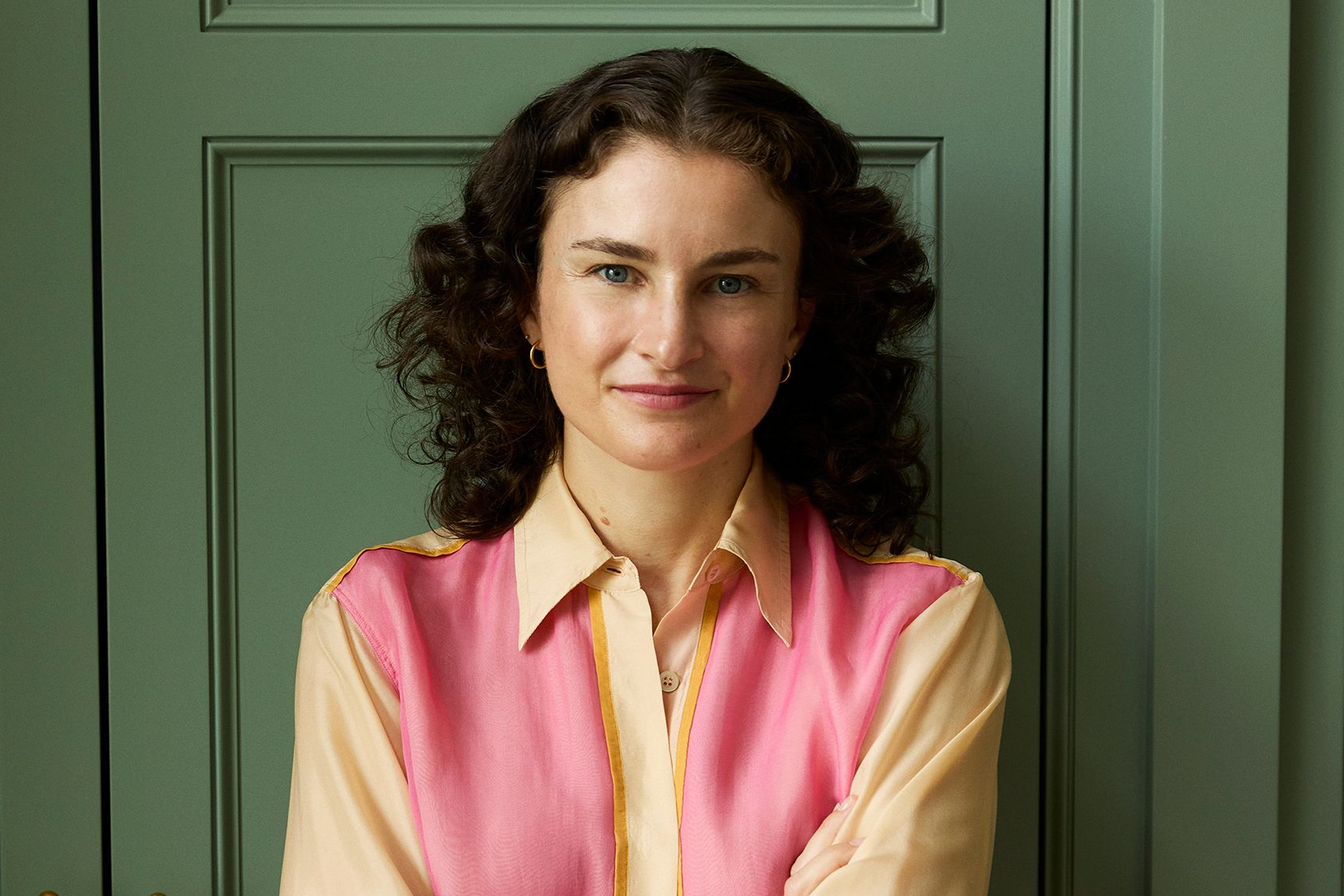
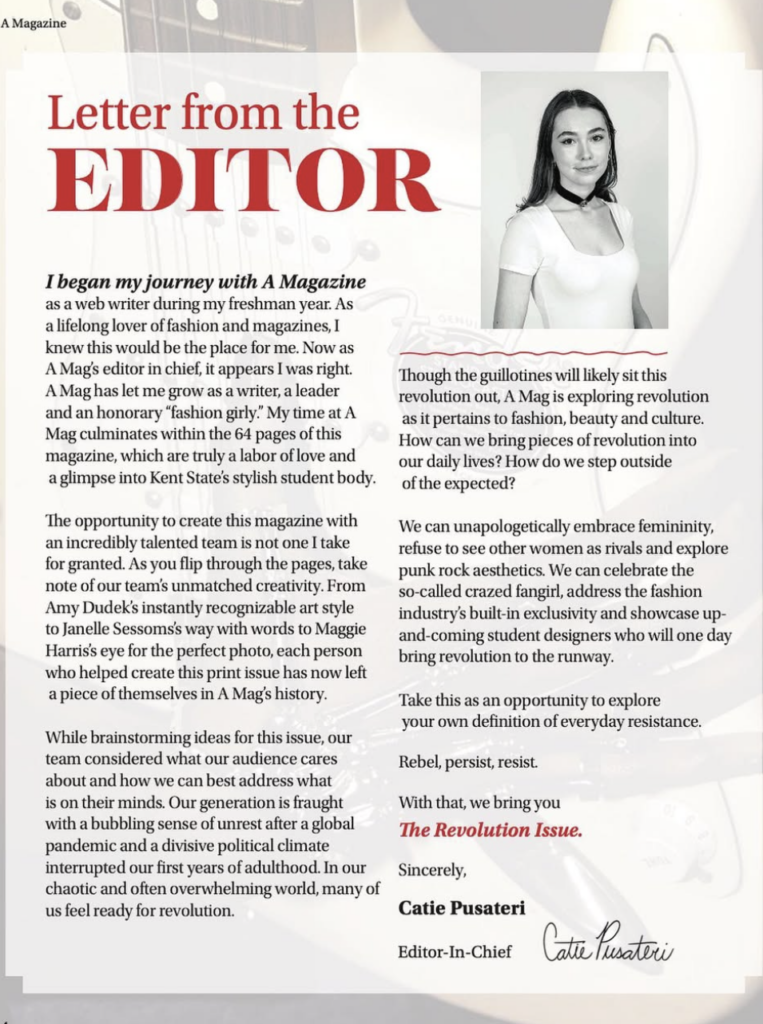
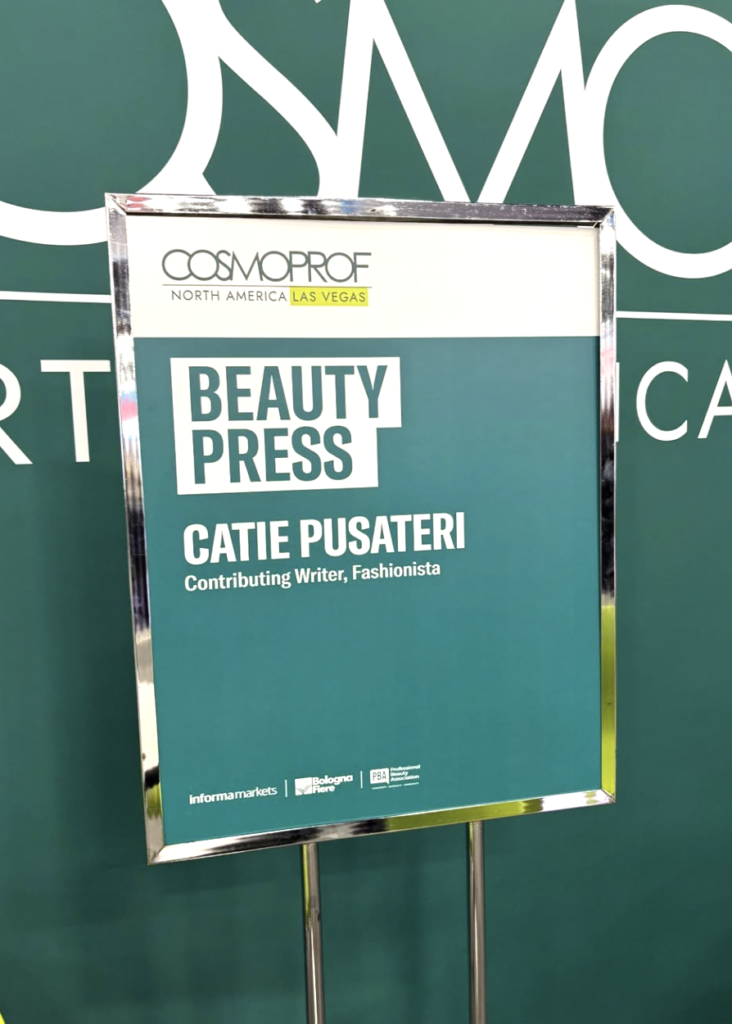
What does it truly take to become a fashion journalist? Meeting deadlines, building connections, and reporting on important events are just a few of the tasks that journalist Catie Pusateri handles at Fashionista.

The Kent State University graduate always loved writing. At first, she associated writing with becoming an author and writing books, but her favorite high school teacher steered her toward journalism, and it turned out to be a great fit.
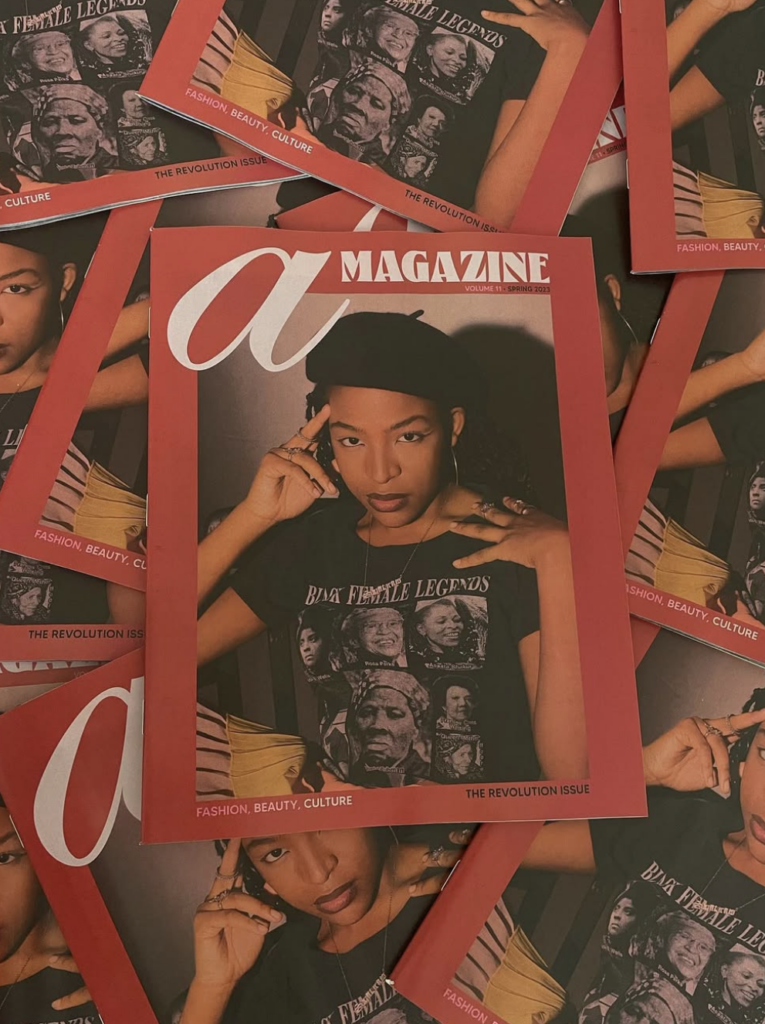
While attending Kent State, she joined the school’s magazine, A Magazine, where she worked as both a managing and assistant editor before later becoming editor-in-chief.
Pusateri landed one of her first internships as an editorial intern at Business of Home. She got the opportunity through the American Society of Magazine Editors and the program allowed her to meet other industry professionals and visit newsrooms.
Pusateri later interned at Fashionista after hearing about the opportunity from her roommate, who had also interned for the fashion media outlet. While she always knew she wanted to pursue writing, fashion had also been an interest of hers since a young age. During high school, she combined the two interests by creating her own column in the school newspaper, where she wrote about fashion and beauty. That experience also made her realize she wanted to pursue long-form writing. She still has a love for other subjects such as culture and politics, but fashion and beauty is what was fun for her outside of work.
Developing the Skills Needed for Journalism
Preparation and learning valuable skills are important for succeeding in any industry. In editorial, there are specific skills the become valuable when pursuing that career path. Collaboration, in particular, plays a major role.
Pusateri explained that her internship at Fashionista helped prepare her for her current position through constant collaboration with the team, as well as working closely with editors and fellow writers. However, she noted that her experience working on her college magazine prepared her the most. Although the team was having fun creatively, they were still producing real work, which ultimately translated into her internship at Fashionista and now her career as a staff writer.
During her time at A Magazine, she developed valuable skills that prepared her for the professional world of editorial. She learned how to interview people, communicate professionally, and manage a team. She also gained experience using WordPress, InDesign, and other applications that are essential in the industry.
“Collaborating with the team, I think that prepares you the most. Interacting with your editors, even your fellow writers, that’s how you learn,” she said. She also emphasized that getting involved in extracurricular activities early on can be extremely beneficial.
Behind the Scenes of Fashion Journalism
Media outlets are able to distribute information rapidly. A celebrity gets engaged, someone breaks the internet at the Met Gala with a stunning outfit, or a celebrity is spotted walking the streets of New York carrying a stylish bag, and within minutes publications are reporting on the story with every detail – where the ring came from, who designed the Met Gala look, or what brand made the bag.
Much of this information is shared so quickly because of the strong relationships publications have with PR teams. Publications, including Fashionista, maintain close connections with publicists, brands, and stylists, who often share information ahead of time through press releases and mass alerts. Ultimately, it comes down to connections. Even beyond PR, people in the industry often know others who are working closely with brands, celebrities, and stylists. Everybody talks.
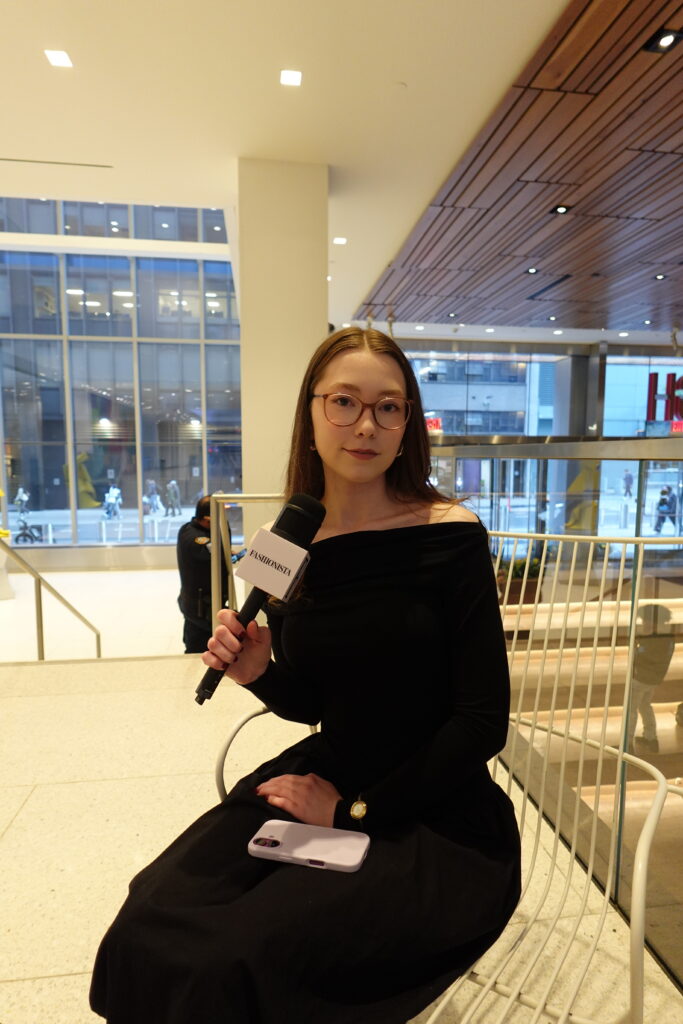
Beyond industry connections and breaking news, interviewing is another major part of the job. Interviewing can be both exciting and nerve-racking (trust me, I understand that feeling 100%). Pusateri approaches interviews by reminding herself that the person she is interviewing is just another human being. She explained that it is not about her feelings or nerves, but about gathering information for the story she is writing. By focusing on the story itself, she is able to push those nervous thoughts aside and maintain a clear mindset. She also mentioned that if something goes wrong during an interview, it is not the end of the world, and the best thing to do is move on.
Along with interviews, journalists also have to balance the fast-paced demands of the industry. Journalists constantly have to meet deadlines, which is one of the more challenging realities of the job. Breaking news often has to be covered within the hour. Another challenge can be writer’s block. Pusateri admitted that she sometimes puts pressure on herself because of it, but one way she pushes through writer’s block is by simply writing nonsense to get words on the page. Over time, clarity begins to come, and the writing process becomes easier, even if the first draft is not her best work.
Digital Media vs. Print Media
Print media has been at the forefront of conversation, especially with the recent release of The Devil Wears Prada 2, a film centered around the struggles print media faces in today’s digital landscape. When asked whether she believes the speed of digital media is hurting the quality of reporting, Pusateri explained that while it can affect the quality of journalism, it does not necessarily have to.
“I think the quality of journalism is still out there”
After watching The Devil Wears Prada 2 and seeing how accurately it reflects the current state of print media and journalism in the fashion industry, Pusateri said the film hit close to home. She also found it inspiring because it shows that people still care about print media and long-form storytelling. “We long for that physical connection with our media,” she said. “I’m hoping that this movie will keep pushing us in the right direction.”
She pointed out that many fast-paced, click-driven articles need to be uploaded quickly, meaning they are not always expected to be deeply reported or highly polished pieces. She also acknowledged that the rapid pace of digital media has made it more difficult for long-form outlets to consistently produce high-quality work.
“It’s made it harder for long-form media to put out quality pieces, but I’m hopeful, especially with the younger generation loving physical media and really emphasizing that return to it and being away from our screens. I’m hoping that we’ll see more quality journalism, especially in the fashion and beauty space,” she said.
Fashion Week Through a Journalist’s Eyes
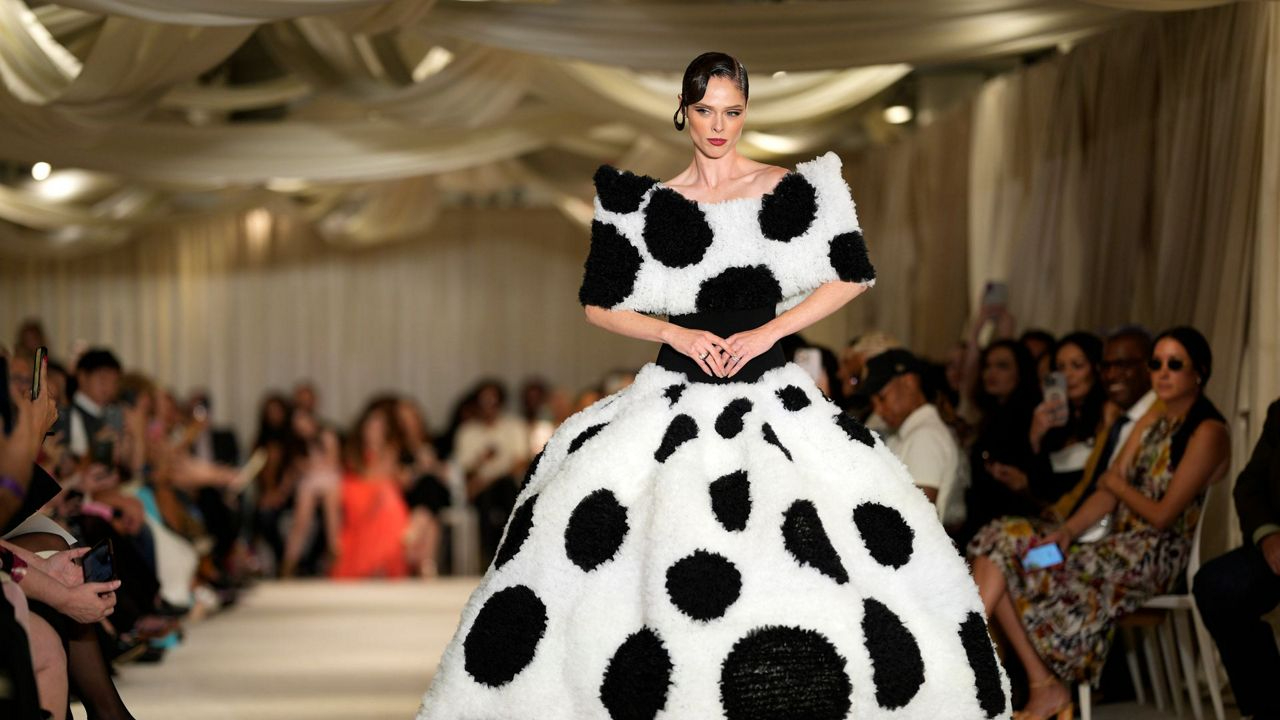
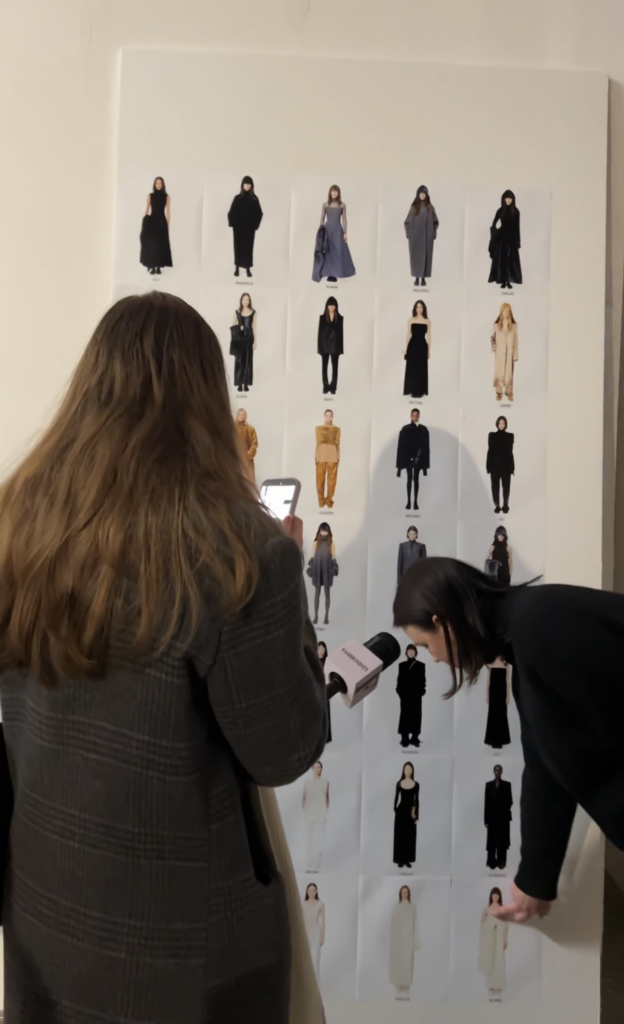
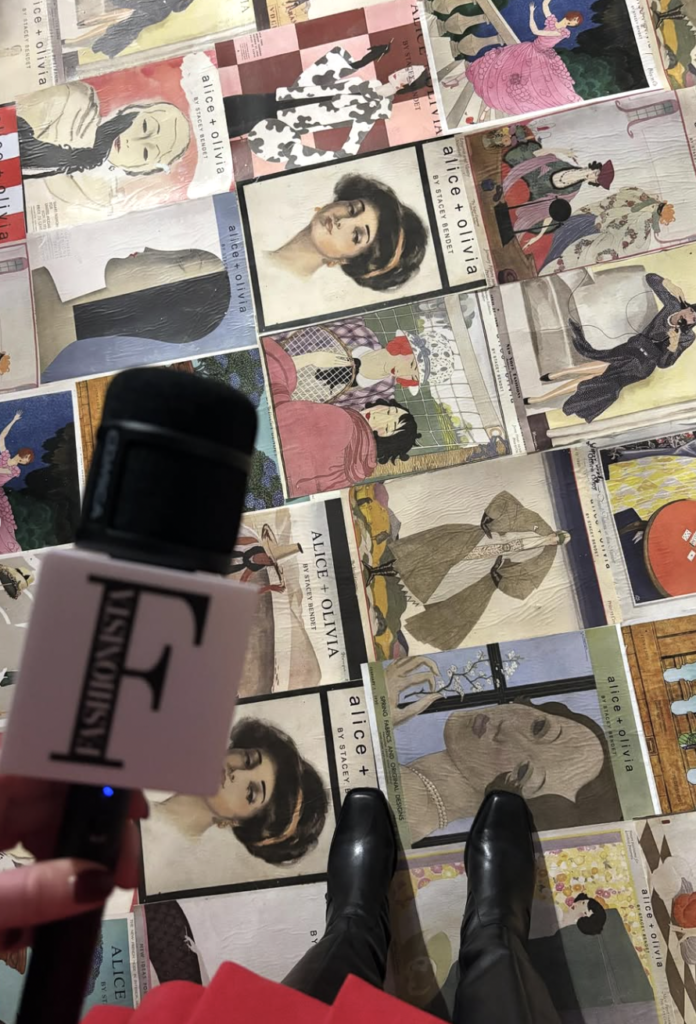
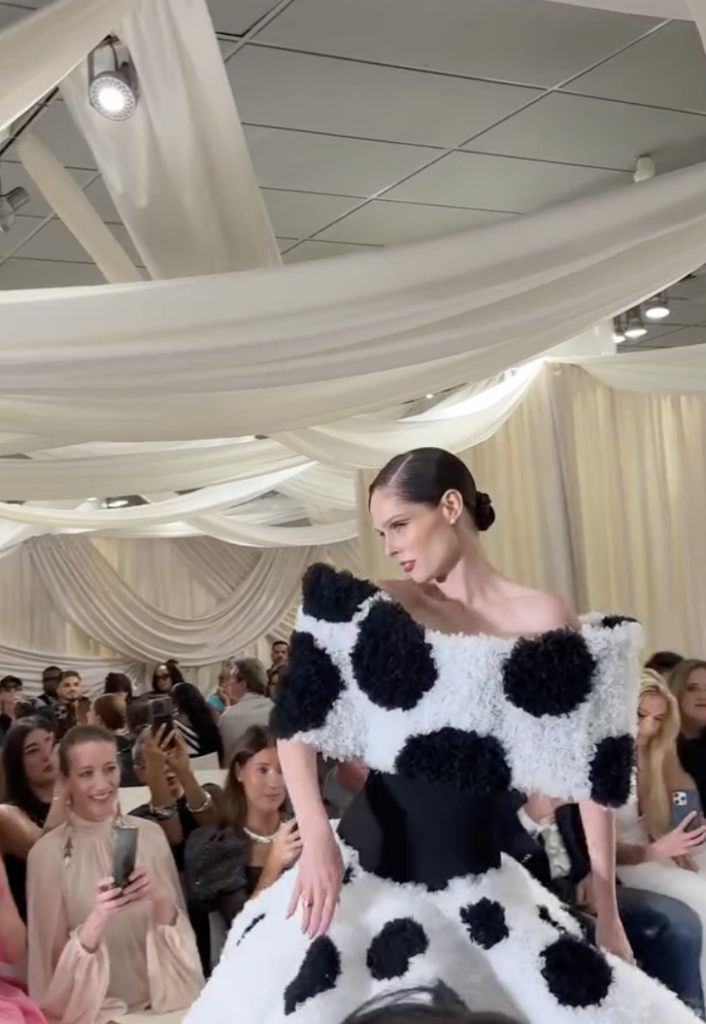
Despite the challenges that come with modern journalism, covering events like Fashion Week still makes the fast-paced nature of the industry rewarding. Pusateri views the iconic week in fashion as demanding yet fulfilling. She describes it as time-consuming and soul-sucking, yet at the same time incredibly rewarding.
“I’ve dreamt of being the girl running behind the scenes talking to the designers, running back to write the story.”
The hard work of running from show to show, sweating, barely having time to eat, and staying dedicated enough to attend presentations, review collections, and speak with designers backstage is all part of the experience. “It’s the hard work part of it, and I find beauty in the work. If you don’t, you’re going to drown,” she explained.
When watching runway shows, Pusateri focuses on the artistry of fashion. Staying curious and understanding the “why” behind what designers create is an important part of how she approaches New York Fashion Week. She also studies designers’ previous collections to see what references are being carried over and what elements feel new or different.
Breaking into Fashion Editorial
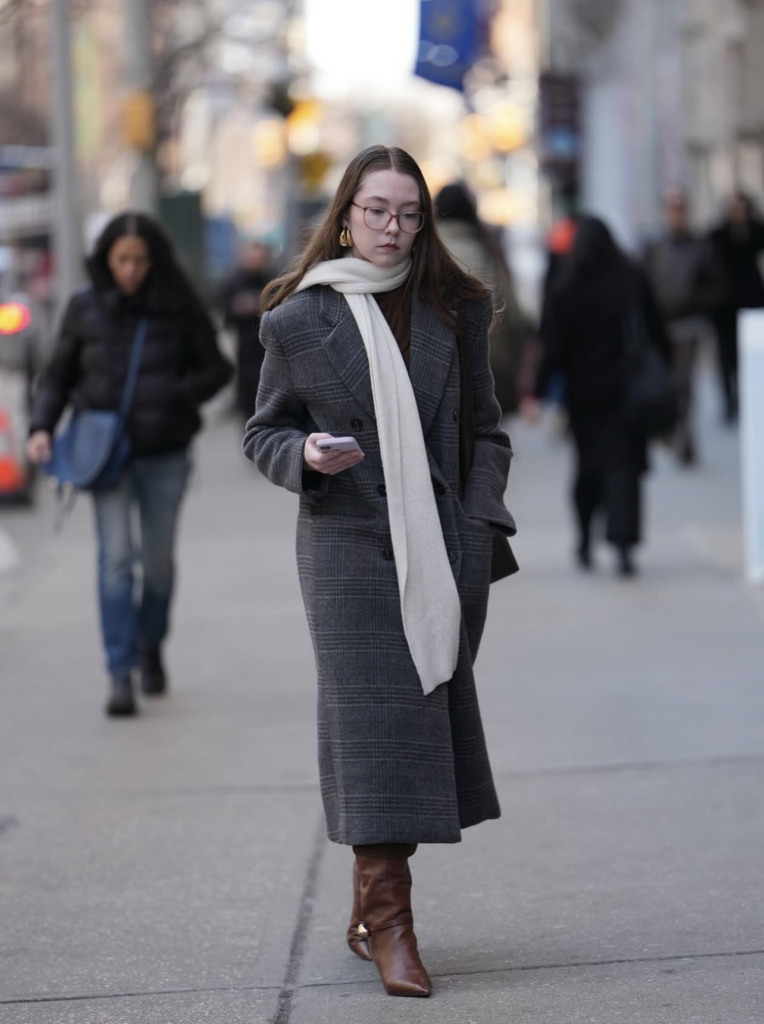
Pusateri offers her perspective on where fashion journalism may be headed in the next 5–10 years. She says, in a laughing tone but still thoughtful, “I hope it’s headed somewhere good.” She hopes to see more thoughtfulness in the industry and a stronger connection from younger generations to physical media. She also emphasizes the importance of fact-checking, especially with the rise of AI.
While many people are concerned about AI replacing journalism, Pusateri believes it will not take over, as she feels the human spirit is too strong and people are protective of their craft. Although she is steering clear on relying on AI, she believes journalism should learn how to use it responsibly rather than abuse it.
With the future of fashion journalism in mind, Pusateri also shares advice for those hoping to break into the field. “Start writing,” Pusateri said. “Make your own Substack, make your own blog. Just write for yourself and craft your voice.”
She was able to develop her own voice by consistently writing, sharing her opinions, and discussing ideas and “what if” scenarios with friends. This helped her understand what she liked and didn’t like, as well as what she gravitated towards.
She also emphasizes the importance of having an open mind and an open heart. Above all, she encourages to stay curious.
Watch the full podcast here: