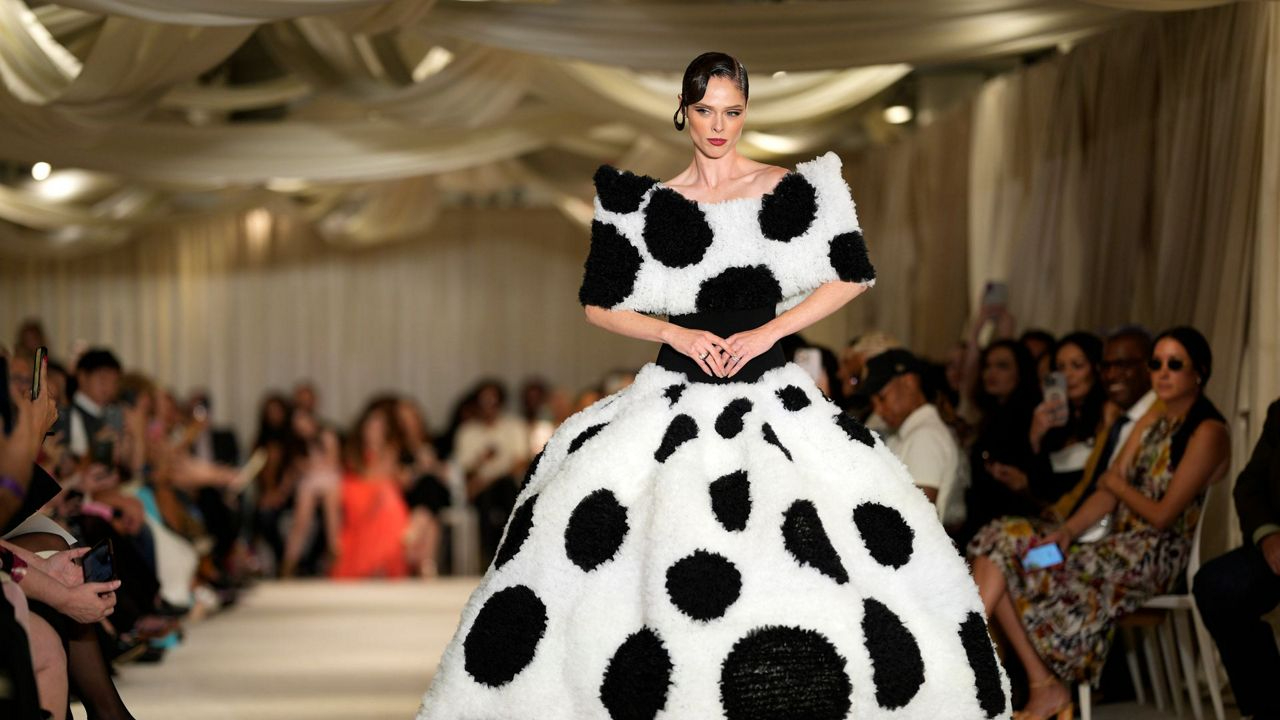
Ai has not only infiltrated in our schooling and work force, but it has now become part of our wardrobe.
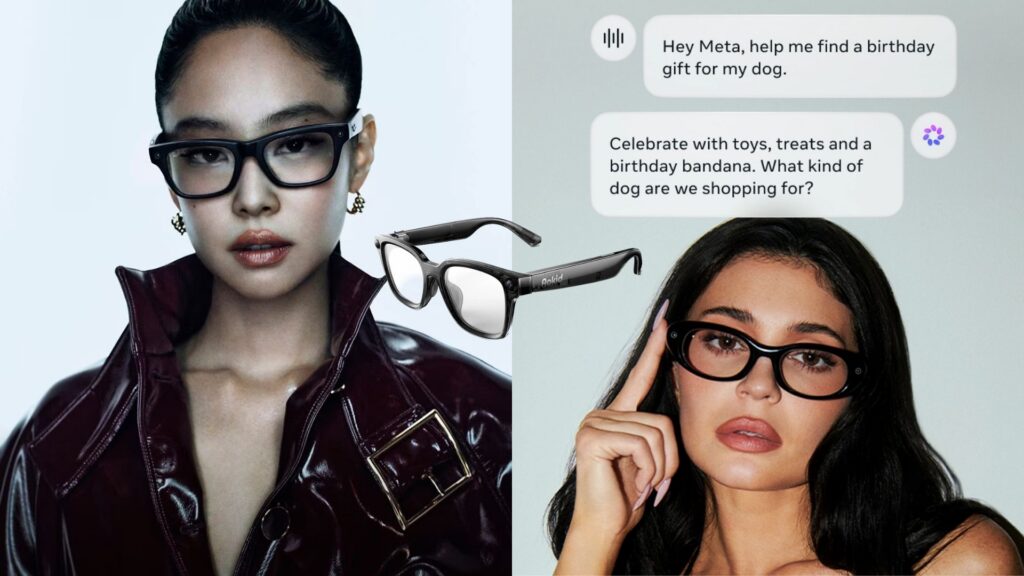
What Are AI Glasses?
AI glasses are a combination of a fashion accessory and technology, designed to make everyday tasks more convenient. While they look similar to a regular pair of glasses, they’re equipped with built-in cameras, microphones, speakers, and artificial intelligence that allow users to complete tasks hands-free.
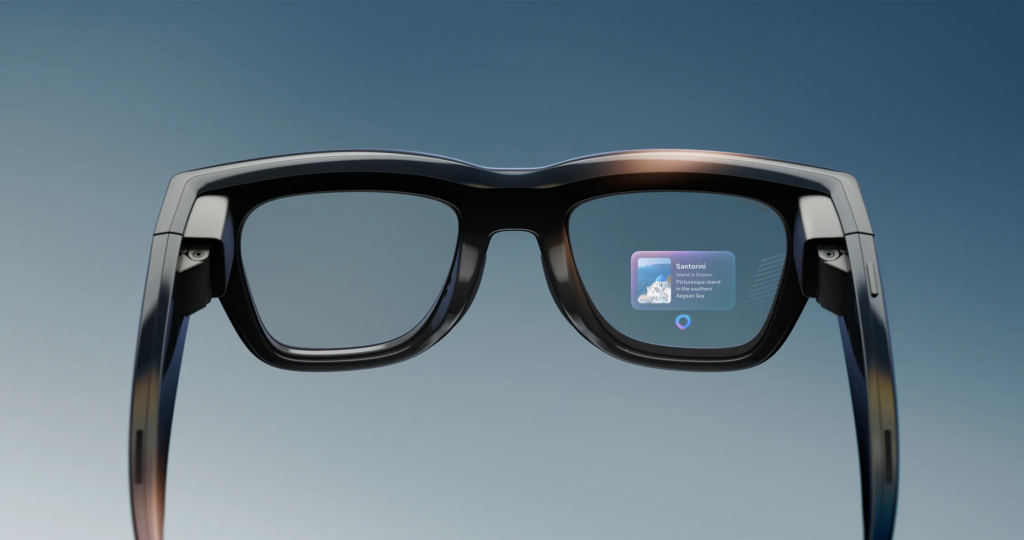
Depending on the model, AI glasses can play music, answer questions, provide directions, translate conversations in real time, and even take photos or videos. Instead of pulling out your phone, users can simply speak to the glasses using voice commands to access many of these features.
Why Are AI Glasses Becoming Popular?
As artificial intelligence becomes more integrated into everyday life, more people are becoming comfortable using it for daily tasks. Whether it’s drafting emails, answering questions, or searching for information, AI has quickly become a tool that many people rely on. Some users are even turning to AI for advice or to help make everyday decisions.
As interest in AI continues to grow, it’s not surprising that companies are expanding the technology beyond computers and smartphones.
Marketing has also played a role in their growing popularity. Collaborations with well-known public figures, such as Kylie Jenner, have helped introduce AI glasses to a broader audience. These partnerships showcase the glasses as more than just a tech gadget, showing how they can fit into everyday style while appealing to a wider range of consumers.

How Could AI Affect Fashion?
The impact of AI on fashion seems subtle now, but it could become much more significant in the future. As artificial intelligence continues to evolve, there could be more opportunities for collaborations between fashion brands and technology companies, whether that’s through wearable technology or AI-powered shopping experiences. Many brands are already using AI on their websites to offer personalized product recommendations, virtual styling, and customer support, making the shopping experience more convenient.
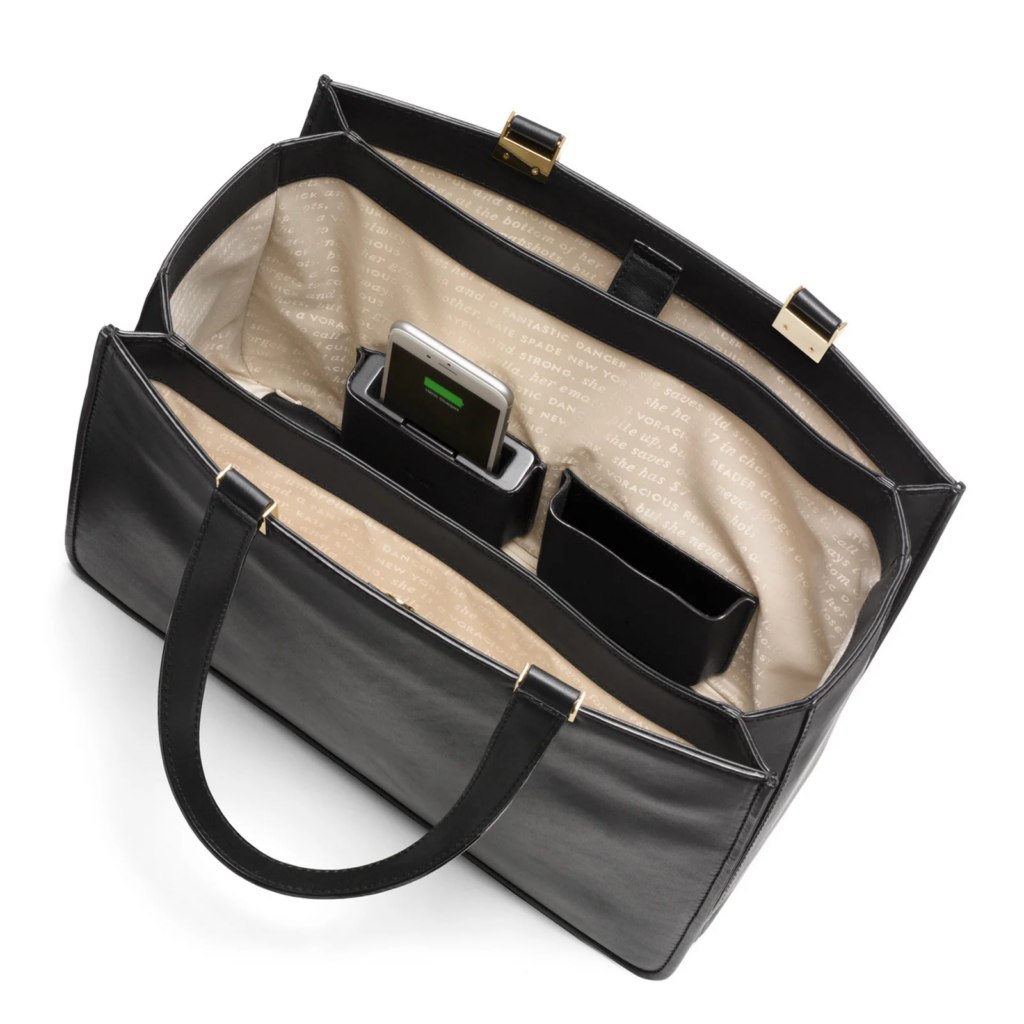
Technology has also been incorporated into fashion for years. In 2015, Kate Spade partnered with Everpurse to create a handbag collection with built-in charging capabilities, allowing users to charge their phones while on the go. More recently, in 2024 Chanel introduced the Première Sound watch, a wearable accessory that transforms into a necklace and includes a microphone, wired headphones, and a remote control system.
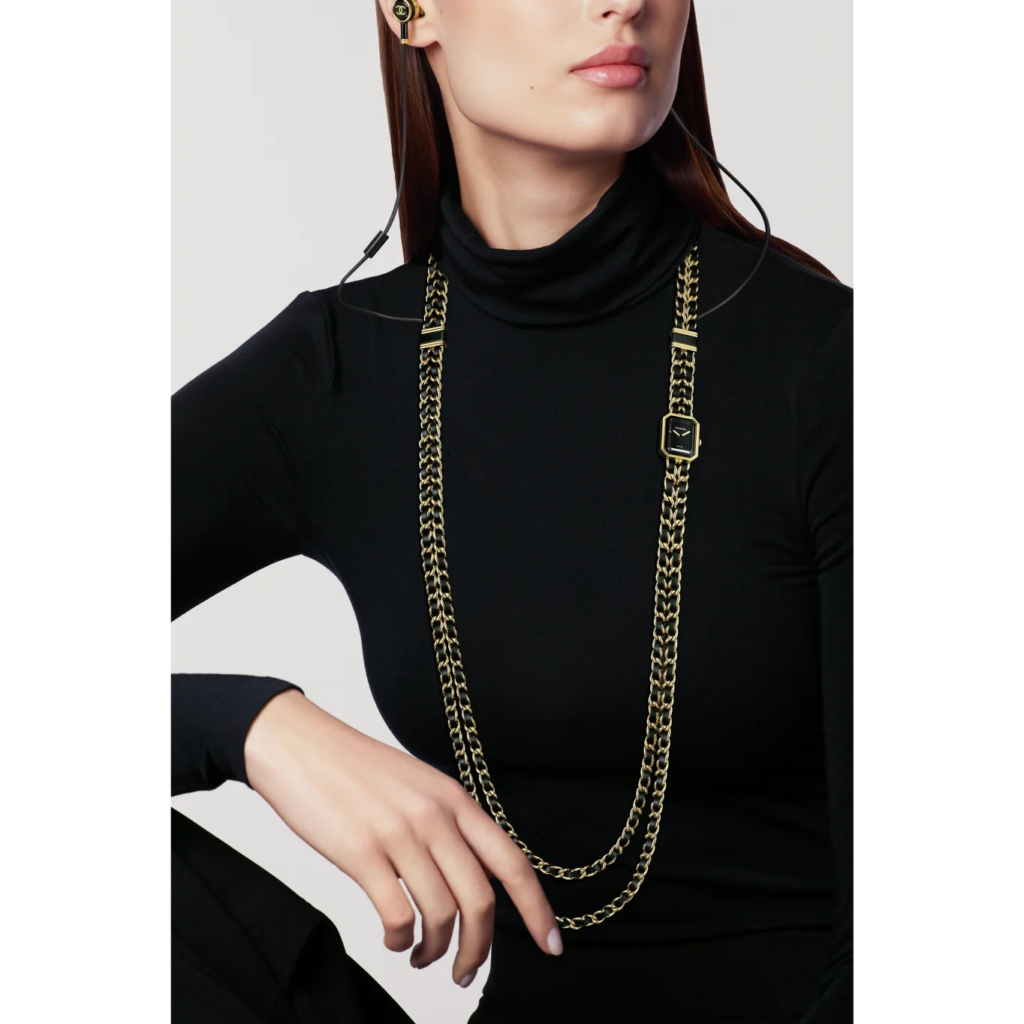
While these products don’t use artificial intelligence, they show that fashion brands have been interested in combining style with technology. As AI becomes more advanced, it could open the door to even more innovations, including AI-powered wearable accessories and clothing with built-in smart features.
Benefits and Concerns
At first glance, AI glasses seem innovative and futuristic. With their hands-free features, users can ask questions, play music, get directions, and take photos or videos without having to pull out their phones. They’re marketed as a tool that makes everyday tasks easier and more convenient by acting as a personal AI assistant.
However, the technology has also raised concerns. Some critics worry that as AI becomes more integrated into everyday life, people could become increasingly dependent on it for tasks they would normally do themselves. Others question how relying on AI for everything from searching for information to making decisions could affect productivity and daily habits over time.
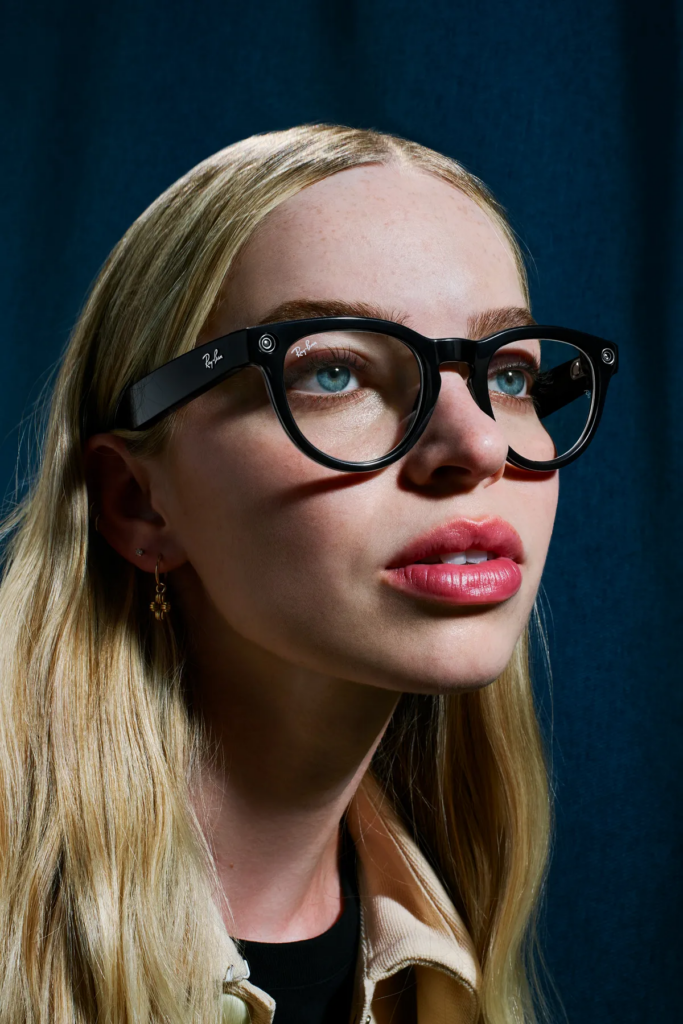
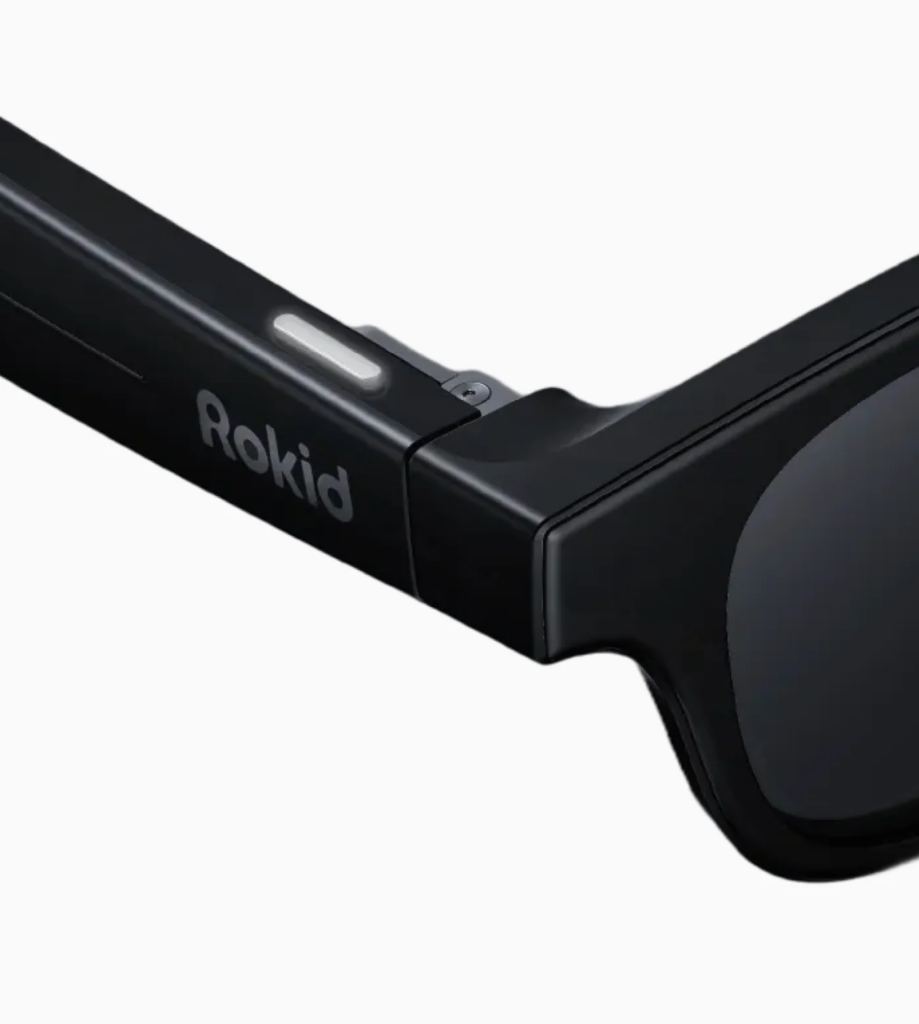
Privacy is another major concern. Companies such as Meta and Rokid state that they are committed to protecting user data and privacy. However, these claims are skeptical. In March 2026, a class action lawsuit was filed against Meta over its Ray-Ban AI glasses, alleging false advertising and wiretapping violations. According to the complaint, Meta marketed the glasses as being “designed for privacy” while allegedly routing user-captured videos to overseas human contractors to help train its AI models. Meta has disputed allegations related to its products, and the lawsuit is ongoing.
As AI continues to become part of products people use every day, including fashion accessories, it’s important to look beyond the marketing and consider both the potential benefits and the concerns surrounding the technology. As wearable technology continues to evolve, consumers will ultimately decide whether AI glasses become the next everyday accessory or remain a niche piece of technology.