Micro trends circulate through fashion every day, bringing with them exciting textures, silhouettes, and constantly evolving aesthetics. But are people allowing these trends to disrupt their personal style, leaving them with a sense of imposter syndrome within themselves and their own wardrobes?
What Is a Micro Trend?
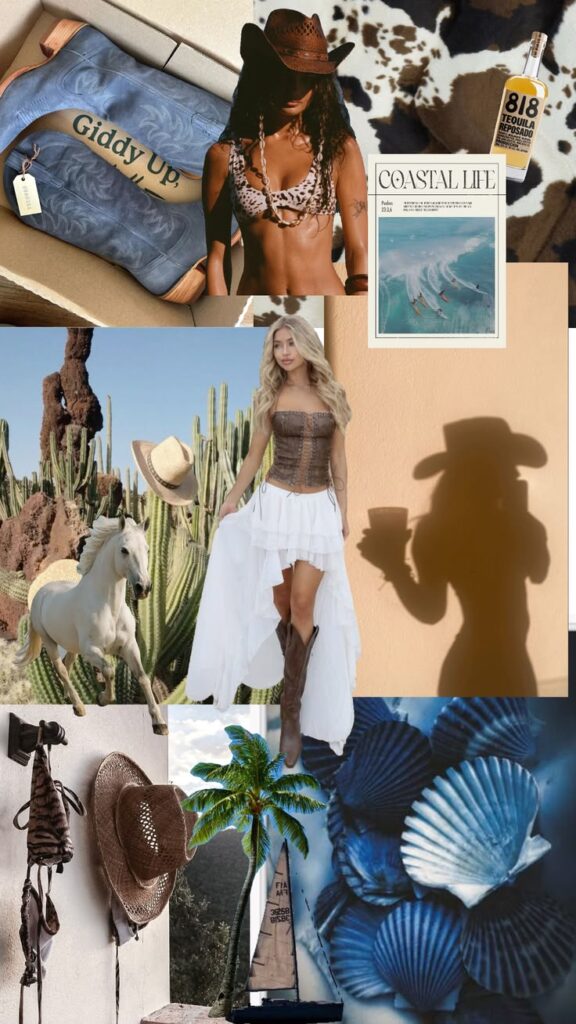
A micro trend is a quick, popular fad that gains widespread attention for a very short period of time before fading out. Think coastal cowgirl, mob wife, cottage-core, or office siren, trends that revolve around a specific aesthetic.
According to The Harvard Crimson micro trends are short-lived cycles that gain attention quickly before falling off just as fast, reinforcing how removed they are from traditional trend cycles.
How It Affects the Fashion Industry (AKA Fast Fashion):
Micro trends have turned into a larger issue because they fuel the demand for fast fashion brands to constantly produce new clothing at an accelerated pace. This cycle harms the environment by generating an overwhelming amount of clothing waste, much of which ends up in landfills only after a few wears. It also exploits the labor that keeps fast fashion alive, particularly in countries where workers face unsafe working conditions and unfair wages.
Micro trends tend to die down within a six-to-eight-week window. Consumers rush to purchase the latest aesthetic dominating social media, only for it to become overplayed and quickly discarded. Once the initial excitement fades, attention immediately shifts to the next emerging fad, encouraging people to repeat the cycle. This pattern of constant trend-hopping fuels overconsumption and continues to worsen environmental outcomes.
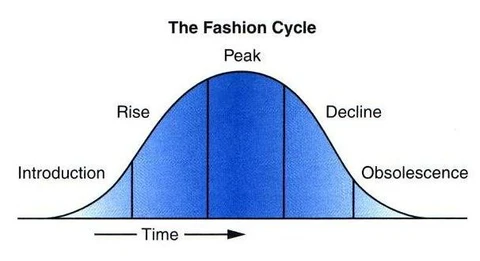
Younger consumers, or those still developing a sense of personal style, often get caught up in overconsumption, which contributes to unsustainable practices. Several students reflected on their views regarding micro trends.
Katrina Furgeson, a Fashion Business Management student at the Fashion Institute of Technology in New York City, had similar thoughts about micro trends. She expressed that she dislikes micro trends and avoids feeding into them, believing they prevent people from discovering their personal style and truly understanding what they like.
Furgeson noted how trends quickly spread across accessories, specifically mentioning the recent rise of fish and sardine motifs appearing on handbags. She added that she has been noticing this trend more frequently, highlighting how rapidly micro trends circulate throughout fashion.
Furgeson also reflected on her own relationship with micro trends, noting that in high school she often fed into them. Today, she describes her personal style as classic and simple, favoring pieces with longevity and meaning. One example she shared was a dark brown vintage fur jacket from her grandmother’s closet. Addressing the “mob wife” micro trend aesthetic. She explained that she wears a fur coat because she genuinely likes it and because it aligns with her personal style, not because it is trending. She emphasized that she chose not to purchase a faux-fur, micro-plastic coat simply to fit an aesthetic that would likely only be worn a few times.
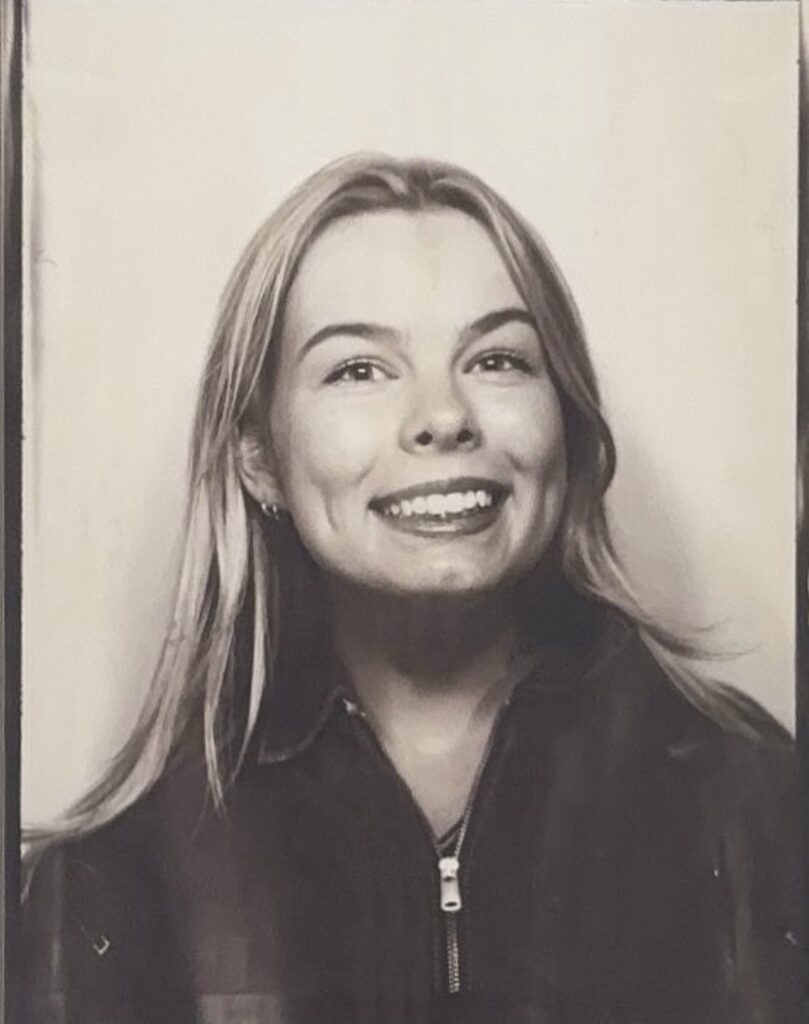
Image courtesy of Katrina Furgeson (@katrinafurgeson on Instagram)
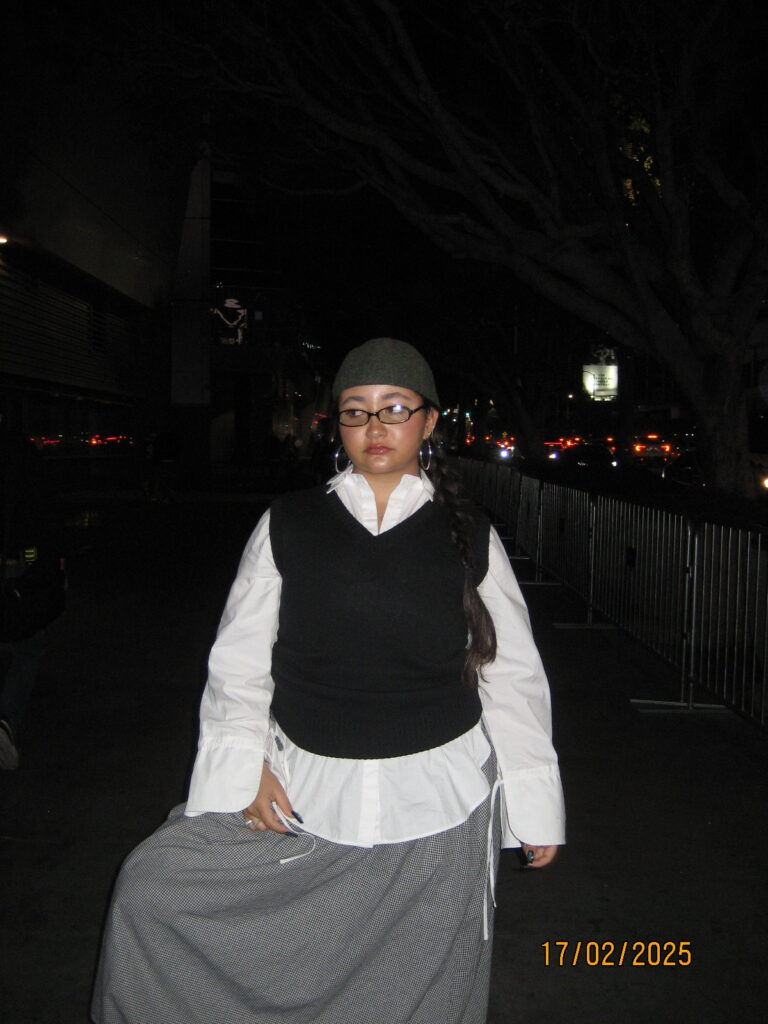
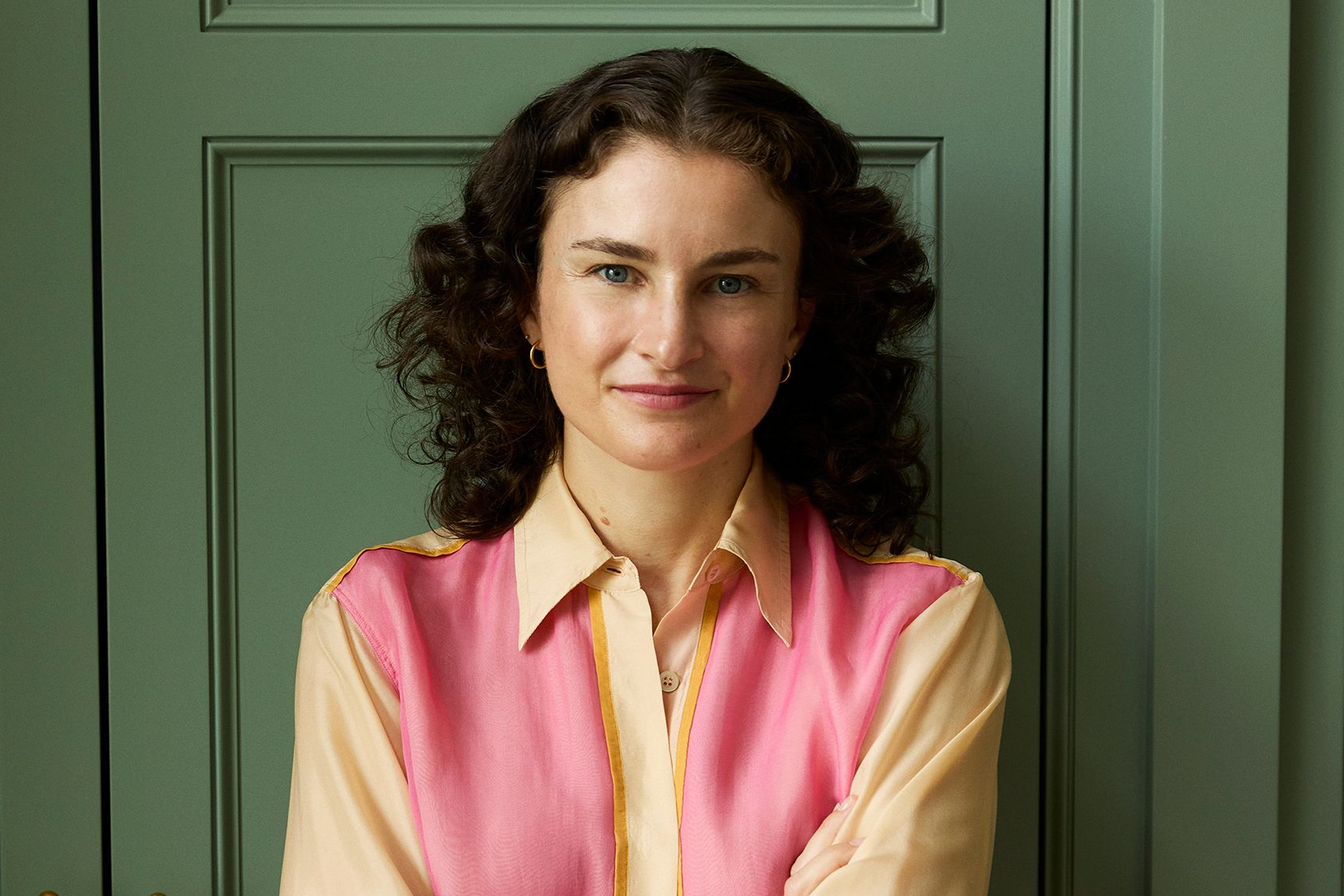
Viana Poggi, a marketing and advertising student at the University of San Francisco, shared strong opinions on micro trends and how they’ve impacted her personal style. She emphasized her frustration with how quickly trends cycle, pointing specifically to the bow trend, calling it “ridiculous” appearing on everything from sweatpants and T-shirts to bags and even water bottles.
When asked whether she has participated in micro trends, she admitted that she “100%” did when she was younger. She explained that following trends felt natural at that age something you do while trying to figure yourself out and develop a sense of identity.
She also spoke about how heavily participating in micro trends can lead to a loss of creativity. “It allows people to not have their own style,” she explained, adding that when individuals follow one specific aesthetic, their creativity often fades.
Image courtesy of Viana Poggi (@vianadale on Instagram)
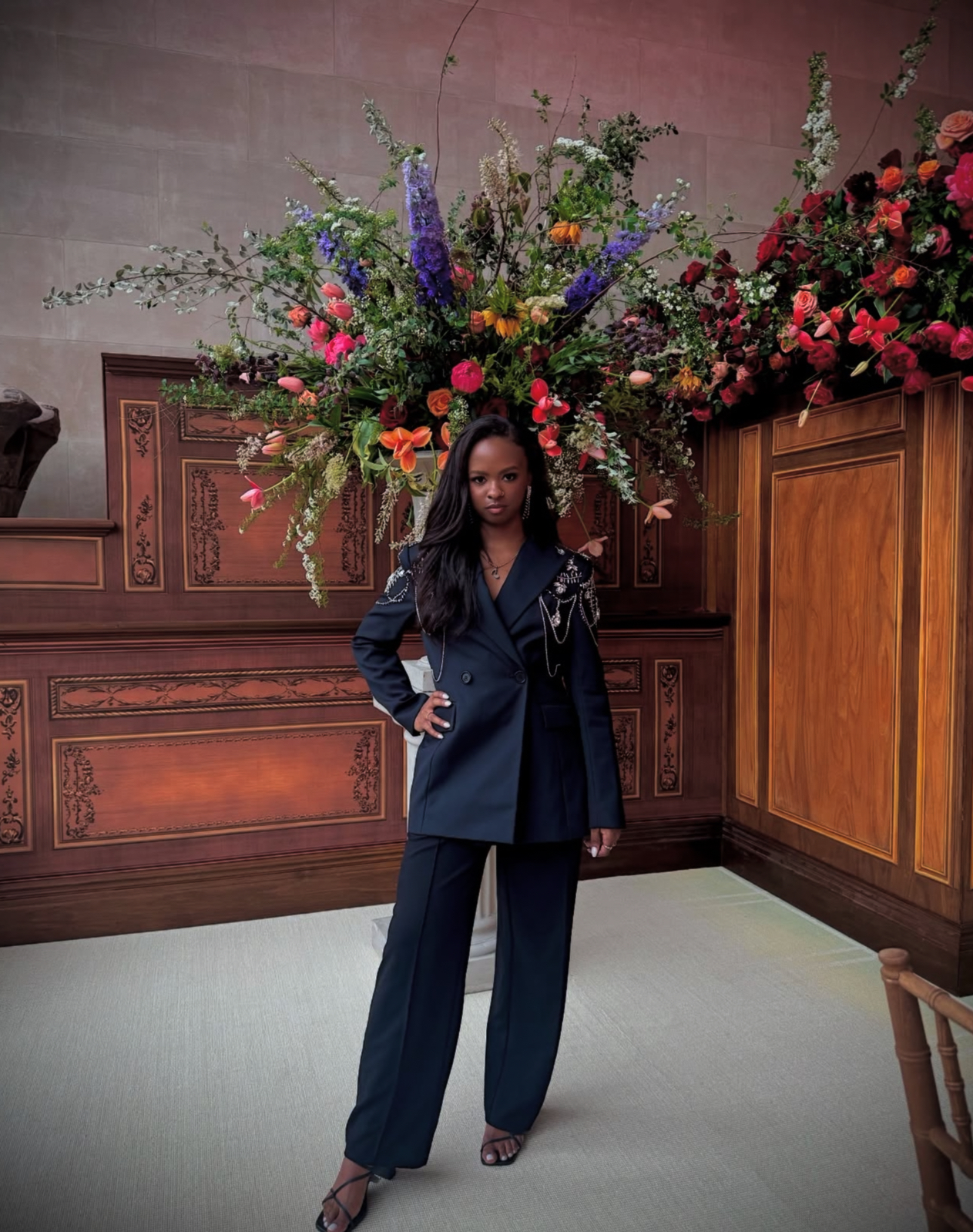
Alayna Gustafson, a design student at the Fashion Institute of Technology, opened up about her opinion on micro trends, emphasizing both the environmental impact and how they can cloud individuality and creativity. As a young designer, she explained, it can be difficult to find her own creative lane when so many aesthetics are circulating through micro trends. Gustafson stated, “From a creative and design perspective, its hard because with all these ideas, its difficult to find your own image or identity when micro trends are constantly happening and influencers are telling you what you should wear or who you should be. So I kind of ignore them”.
She also brought up well-established brands like Ralph Lauren, noting that their strong identity allows them to remain unaffected by micro trends. In contrast, Gustafson’s personal style and the brand she’s drawn to are more simplistic and timeless, favoring heritage pieces from designers like The Row or Celine. Items that will last through all seasons and wont be influenced by trends that come and go.
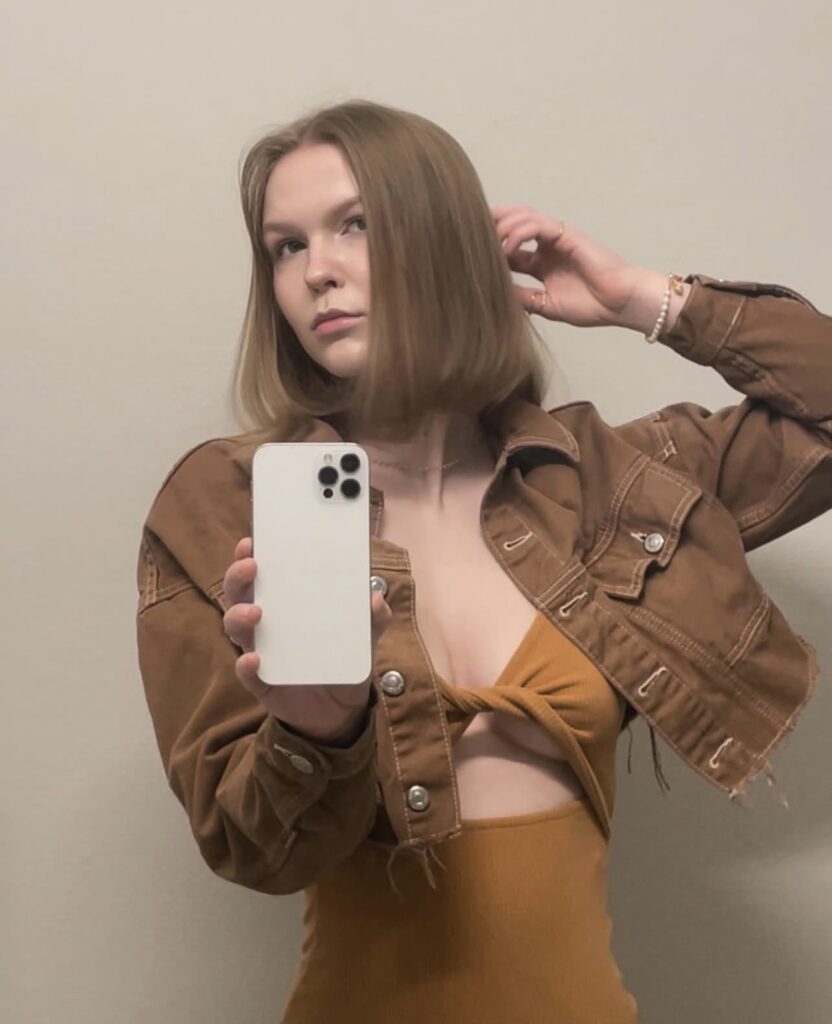
Image courtesy of Alayna Gustafson (@alayna.gustafson on Instagram)
Social Media
Social media plays a significant role in the rise of micro trends within the fashion industry. Platforms such as TikTok, Instagram, and Pinterest have a powerful influence on reaching wide audiences, allowing trends to circulate and gain traction at a rapid speed.
Research published on Scientific Research indicates that social media rapidly pushes out trends, encouraging consumers to make immediate purchasing decisions rather than more thoughtful, long term buying habits. The study also found that 70% of consumers are influenced by social media, with 54% actively searching for products they encounter online and ultimately making a purchase.
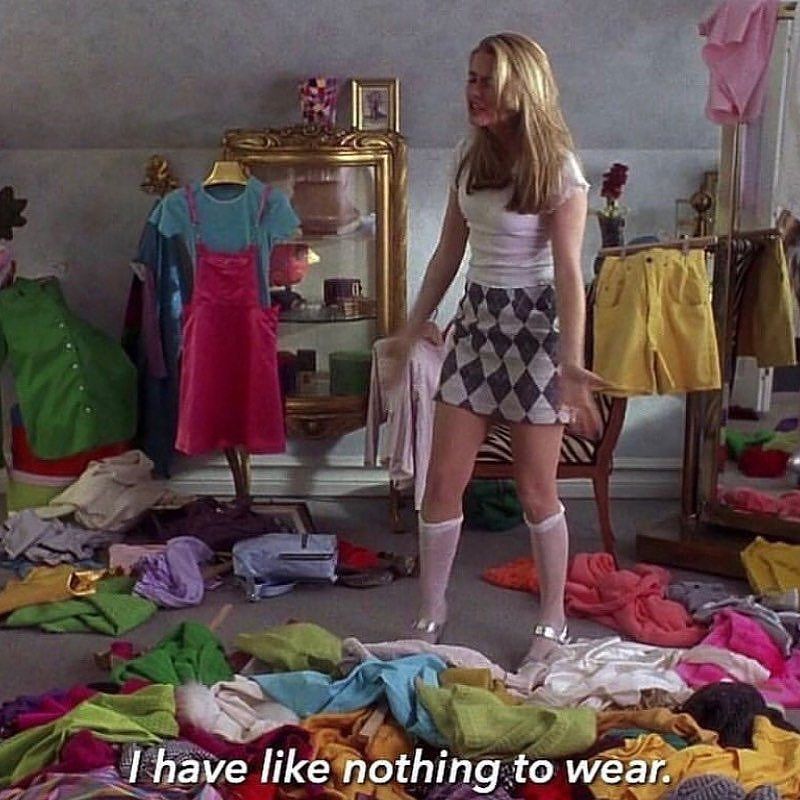
Is It Killing (Your) Personal Style?
Having a personal style is empowering. You can feel confident and express your uniqueness through clothing, accessories, and beauty. Micro trends can be fun to explore, but it is important to establish your own lane and individuality. Doing so helps you make thoughtful purchases, avoid overconsumption, staying true to yourself, and consider the environmental impact of your choices. That does not mean you can’t enjoy what is trending on social media. Take what resonates with you and incorporate it into your style in a way that feels true and authentic.