A great fashion business isn’t just about the clothes. It’s about the story, the ethics behind it, and understanding the consumer. Building a business from the ground up takes a plethora of risks and a clear vision. Gianna, founder of The NY Archive, has created a vintage designer store that makes you feel like Alice stepping into a magical wonderland of vintage archival pieces. From selling clothes out of her childhood bedroom to now having a store with over 20 vendors, Gianna knows how to turn a passion for fashion into a successful business.
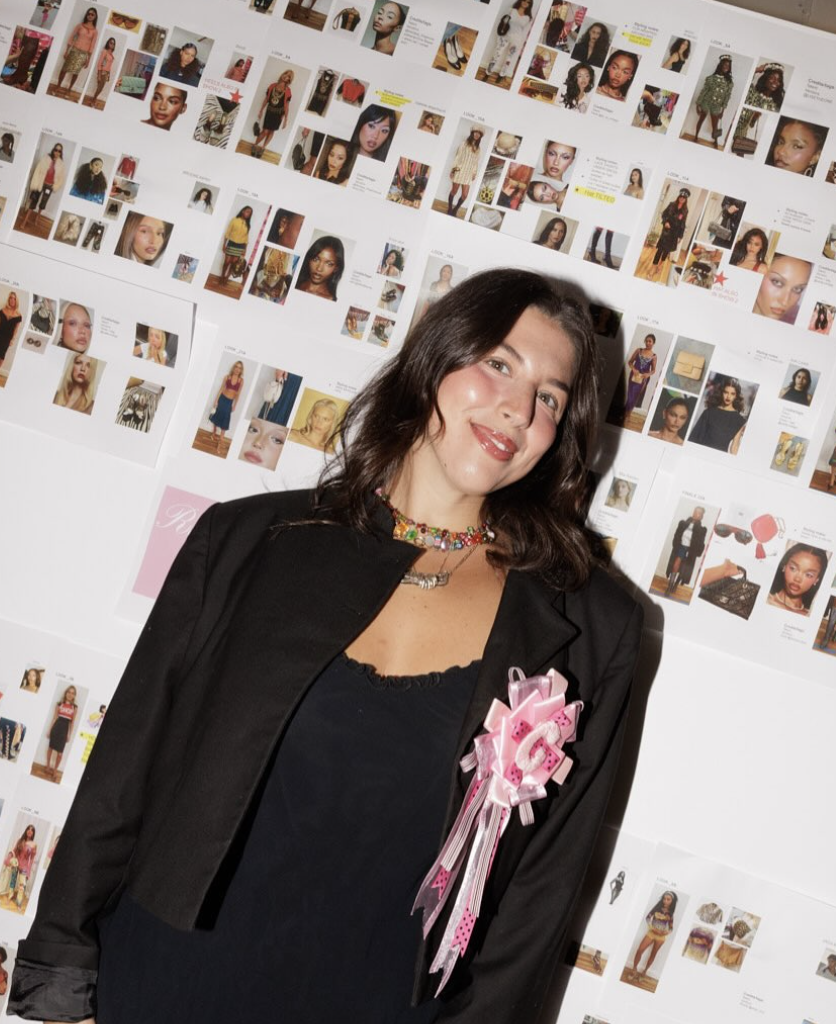
Growing up on the Upper East Side, Gianna Corvino was surrounded by fashion from an early age. Although she loved fashion, she never really saw it as a traditional career, so she went to business school thinking she would have a career in finance. While in college, she added entrepreneurship to her major. She realized she enjoyed brand building and networked her way into working at a startup. She worked in hospitality for two years, and even though she enjoyed brand building, her heart was still in fashion.
She took time to really figure out what was missing from the fashion industry that she could bring to life. She came to the conclusion that while luxury fashion was growing, so were conformity, micro-trends, and fast fashion. She wanted to bring back intentional shopping.
Deciding she wanted to go back to school, she started The NY Archive as a portfolio project.
When she started, it was simply a curation of vintage designer shoes inspired by her mom and her childhood memories of playing dress-up in her mom’s closet. Her role has now evolved into many: stylist, personal shopper, editorial work, and running a brick-and-mortar store with over 20 brands that evolve seasonally.
“I want to create a space that brings back intentional shopping by making you feel like you’re playing dress up in a way that’s sophisticated and still playful so that fashion can be accessible in both size and price and it can be an enjoyable experience.”
From Bedroom to Store
When asked if she had a specific vision for The NY Archive, Corvino stated that she originally never wanted to be shackled to a physical location. She made it clear that she was most definitely shackled to her now-store.
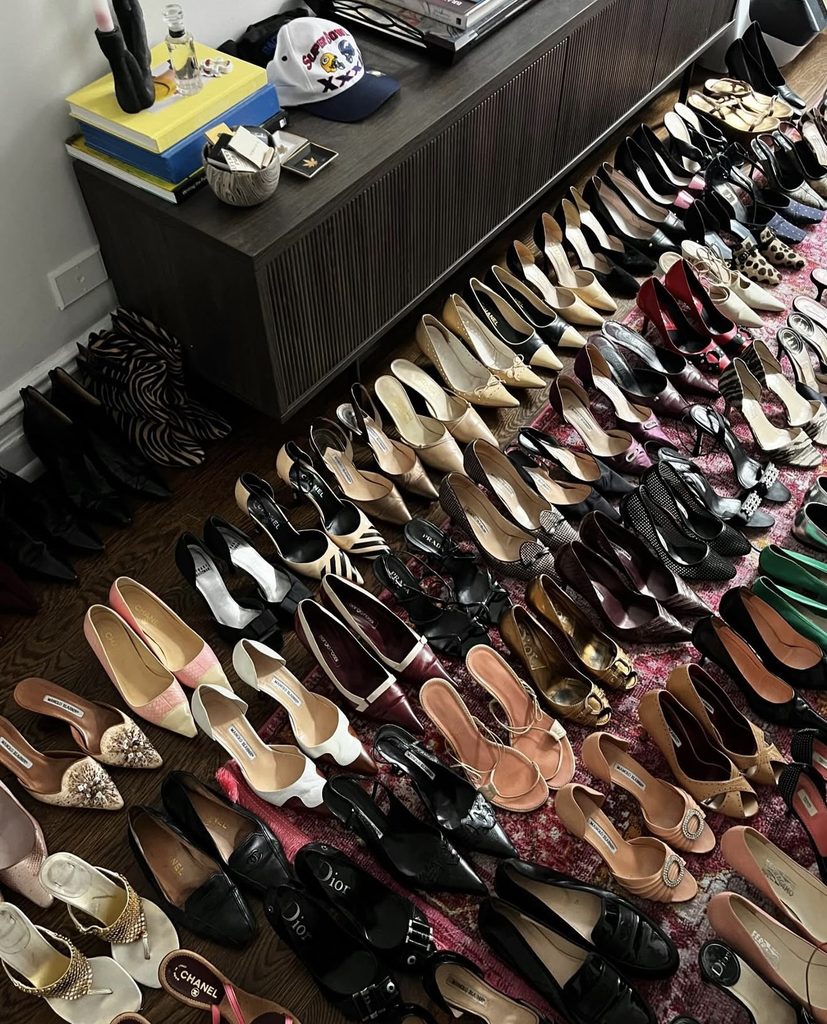
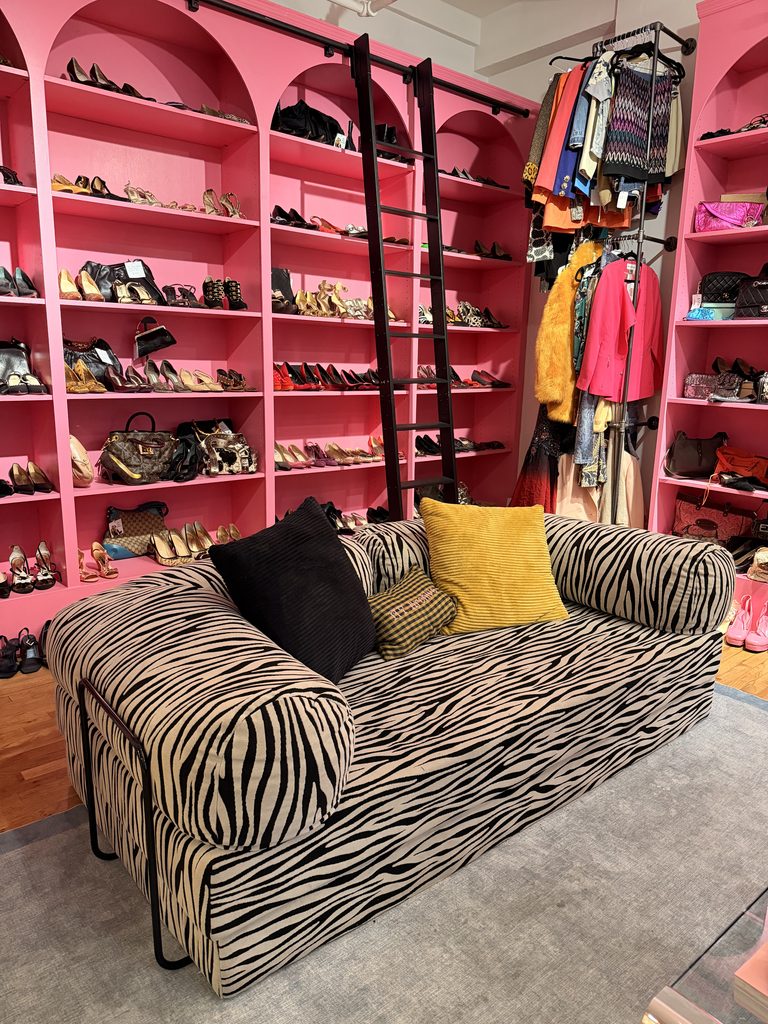
When starting out, her first showroom was her childhood bedroom. The bedroom showroom looked like a version of what The NY Archive looks like now, with wall-to-wall shoes, pink ceilings, and a zebra rug. It was the first space where Corvino was able to connect with people, and she mentions that she is at her best when connecting with people in real life rather than through a screen.
Although the comfort of having her bedroom as her showroom and the flexibility to travel at a moment’s notice when The NY Archive first started was appealing to Corvino, it was a little too easy. She had become comfortable with the level of responsibility she had, but at the same time, she realized she was limiting herself in terms of how she could scale her business. In that moment of realization, she had to have a serious conversation with herself.
“Sometimes if it’s a little too easy maybe there’s a reason maybe you’re not pushing yourself hard enough.”
Doubts When Starting a Business
Creating anything on your own can be thrilling but also terrifying. Corvino questioned whether she should get a job before deciding to open a store. The NY Archive was gaining a lot of attention on social media. People were invested and interested in The NY Archive’s story, however, that attention was not translating into sales.
It’s important to have a story and a mission or vision that can draw people into a brand, but it’s also important to acknowledge that someone can see something beautiful on their feed and want it without necessarily feeling compelled to buy it. That’s what was happening with The NY Archive. While they were loaning pieces to high-net-worth individuals, celebrities, and stylists, they were getting a lot of social traction, but it wasn’t translating into sales.
In the first year, Corvino relied heavily on the New York City vintage market circuit for natural marketing and the opportunity to make large sums of cash in a short amount of time. Then she stopped running that market circuit. She had to pivot and reimagine how she was going to connect with consumers. Instead of relying on someone else to bring them to her, she had to create her own consumer base.
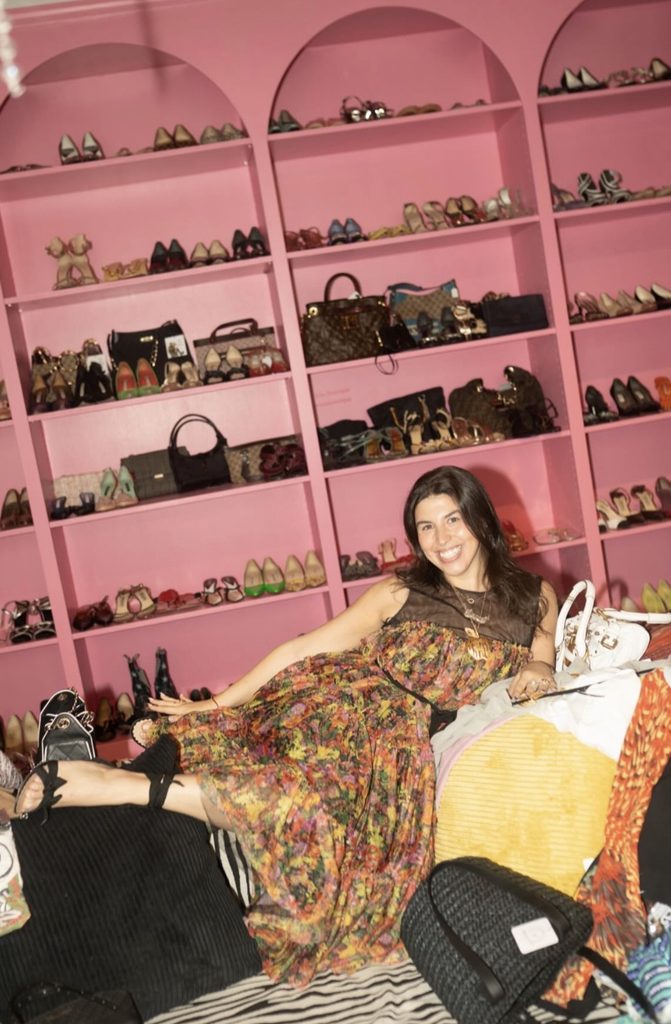
“How the hell do I get girls to shop if they’re not coming for a bigger thing? And so that’s when I started doing the sip and shops, and I started doing them out of my apartment.”
She would have hundreds of girls shop out of her home because, at the time, she couldn’t afford to buy a space. Eventually, her building found out and told her she couldn’t host the sip-and-shops anymore. Around that time, she was asking herself, “What am I even doing?” Then she realized, “I should open a store.”
Understanding Consumer Behavior
Understanding how your consumer shops is an important part of owning a business. Knowing what they are looking for can help shape what you provide in-store. Corvino talked about the pendulum swinging back from the big e-commerce boom during COVID to consumers wanting more in-person experiences.
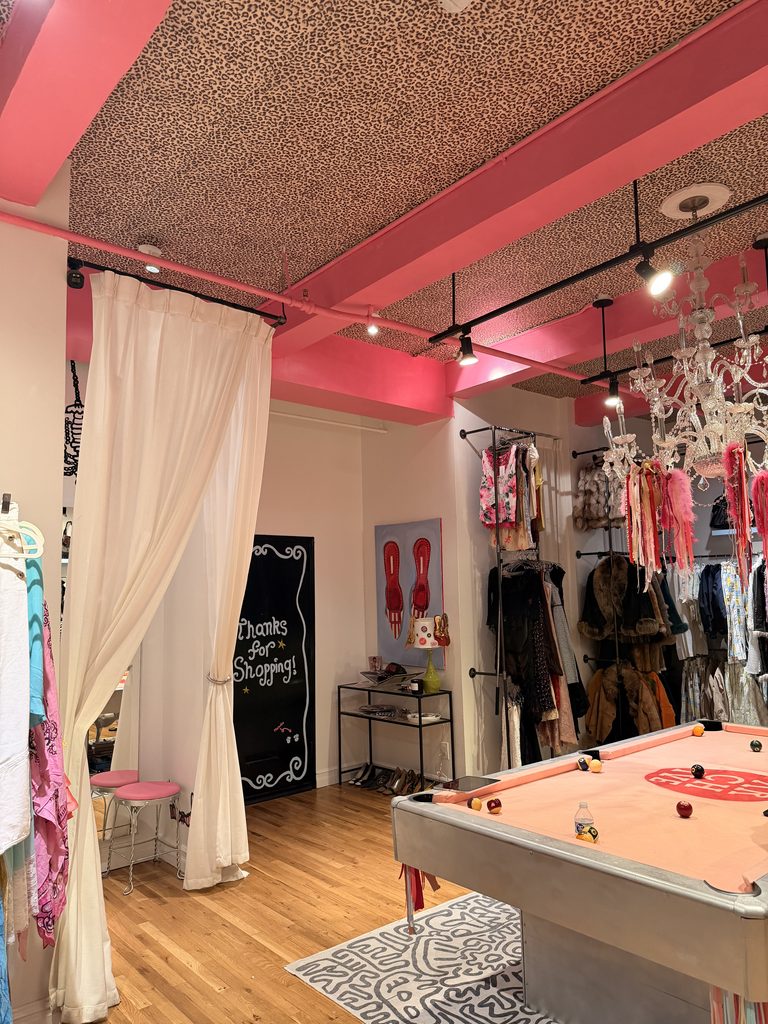
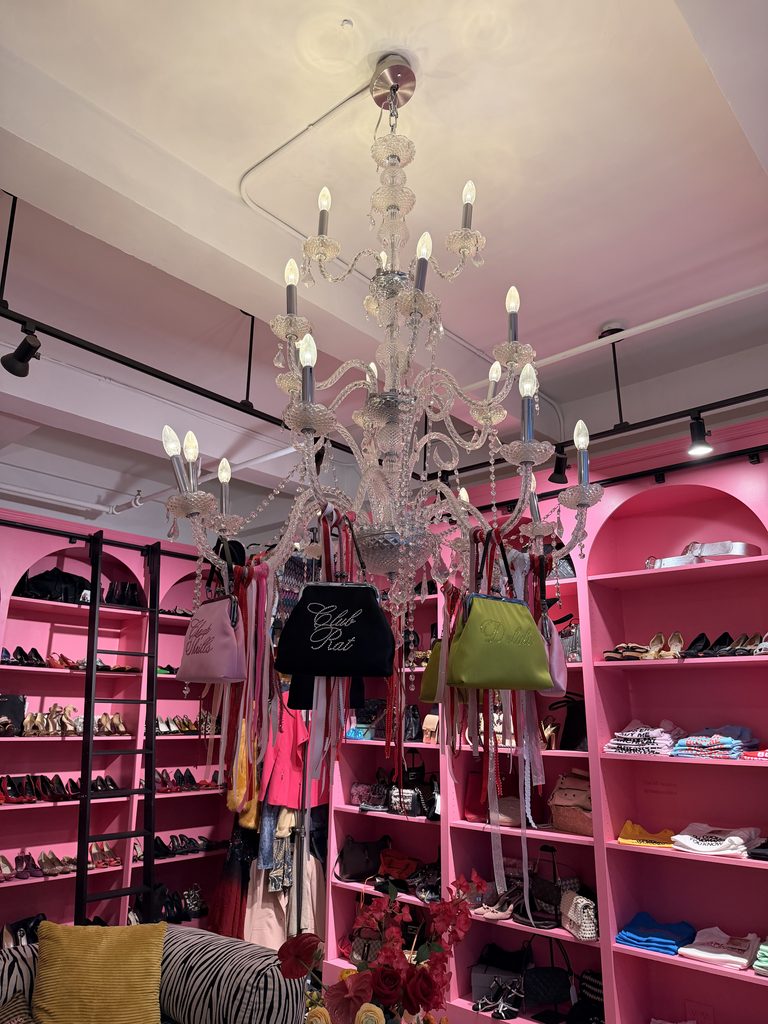
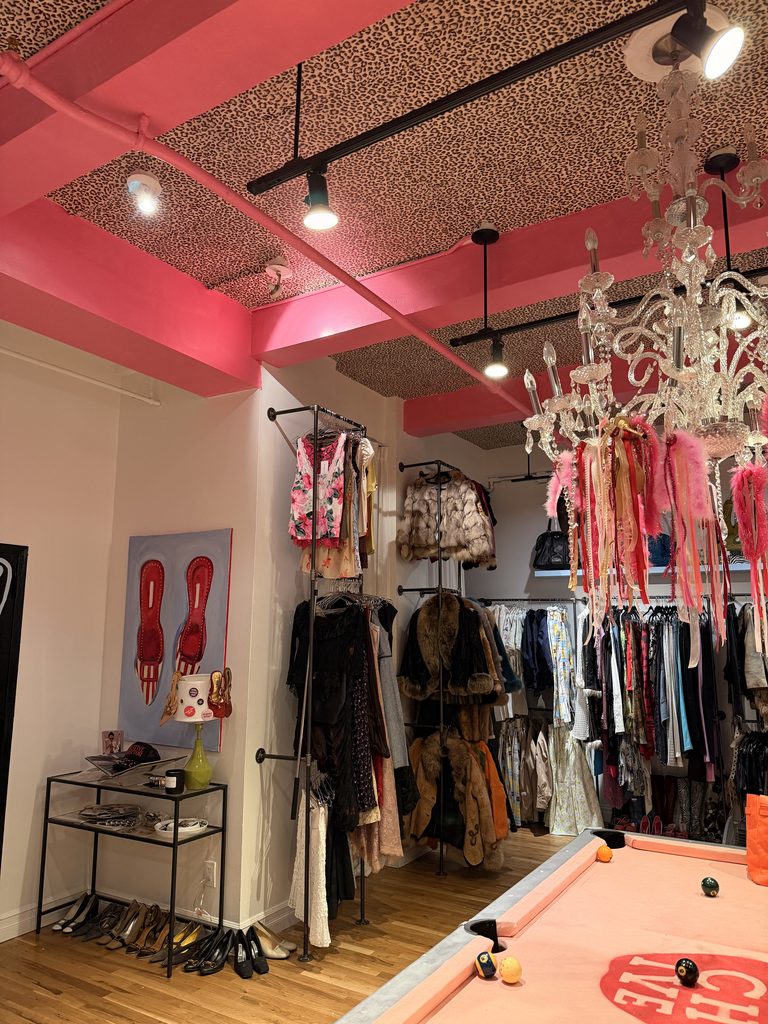
But consumers want more than just an experience. They want to feel immersed in it. When developing the concept for The NY Archive, Corvino wanted customers to feel transported into its world the moment they walked through the door. From the colors and decorations to the layout of the clothing, every detail has a purpose in creating an over-the-top environment for customers to enjoy.
“From the ceiling being fucking Cheetah to the chandelier to the shelves, every single aspect of the store is so thought out that even if you are not interacting with me personally, from the members of the staff to the space itself, you’re in The NY Archive. You’re in this world.”
The space Corvino has created is meant to make people feel special. Consumers want to feel cared for, which is why The NY Archive is selling them a feeling, not just a product.
How to Source Vintage Fashion
One of the challenges of starting a vintage designer store is knowing where to source your inventory. If you are new to finding vintage pieces, it can seem overwhelming to know where to start. With over 20 brands at The NY Archive, Corvino curates the vendors and helps curate their inventory based on what consumers are looking for in the store.
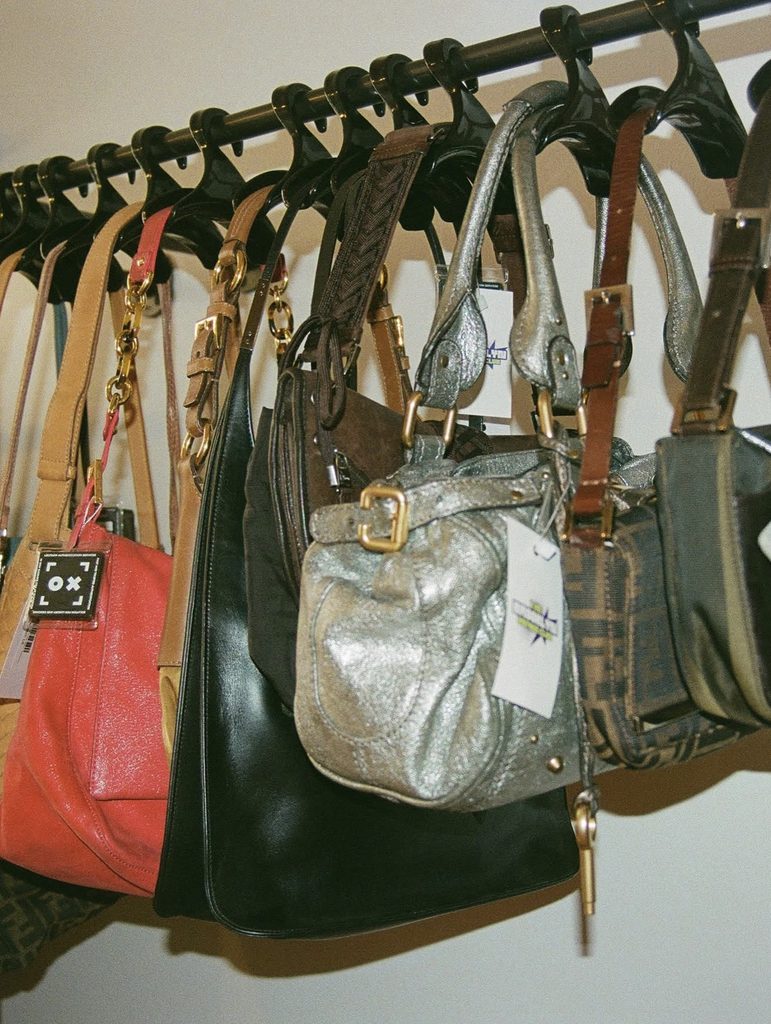
When she first started, Corvino did a lot of traveling and pushed herself to step outside of her comfort zone. She suggests talking to everyone because you never know what they might have to offer. Through those conversations, she made many connections that helped her source inventory in the beginning. At one point, she met a man who was the original designer for many of the early 2000s sample shoes, and he invited her to source shoes from his basement. Her experience shows that sourcing is a lot of work and isn’t always as glamorous as it may seem.
Those connections have continued to help her source inventory, giving her people she can lean on when looking for new pieces. For anyone starting out and looking to build their inventory, Corvino recommends searching unusual online auctions, eBay, and Depop. There is a lot out there if you have the patience to find it.
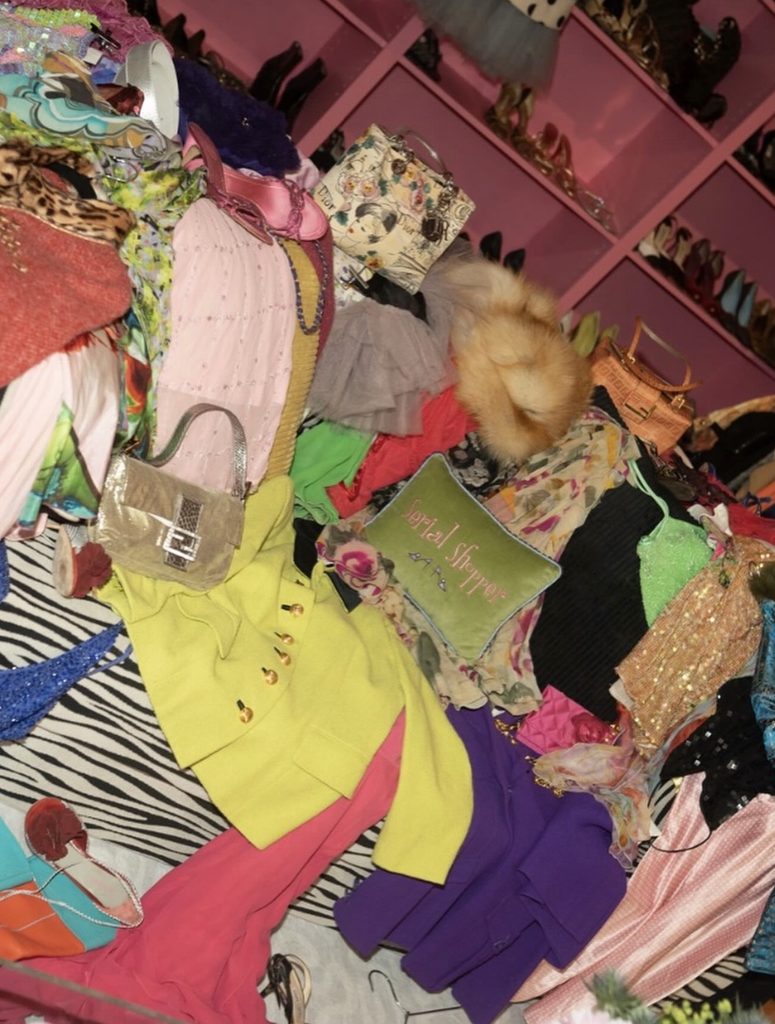
She also recommends online how-to guides, such as vlog-style TikToks that show people where they source their inventory, as well as guides on Substack. When traveling outside of the country, she suggests asking locals where to find vintage. Even closer to home, her advice is simple: check out the nearest flea market and rummage through the finds.
Archival Fashion Trend
Wanting to be unique is what Corvino believes is trending right now. She explains that for some, it’s a true lifestyle, while for others, it’s coming at a time when social media is encouraging people to try something new and step outside of their comfort zone.
As consumers become more interested in standing out from the crowd, vintage and archival fashion have become increasingly popular. Corvino points out that people are also drawn to pieces with a unique story because, they are more interesting. Celebrities and influencers wearing vintage pieces have also played a role in the resurgence. When their followers see them wearing pieces from past eras, it can inspire them to seek out vintage fashion for themselves.

Social media has further fueled this interest. Videos of past runways, fashion history, and iconic designers have resurfaced, giving younger consumers more access to the history behind the clothes they wear. At the same time, stores continue to push out other trends that are currently popular, making it easy for consumers to constantly move on to the next thing. Corvino explained that vintage connects with people in different ways. For some, it’s the nostalgia, the story behind a piece, or the thrill of the hunt. For others, it’s simply seeing their favorite influencer wear vintage and wanting to try it for themselves.
For The NY Archive, however, the rise of archival fashion can open the door to something much bigger than a trend. The renewed interest in vintage encourages consumers to think more intentionally about what they are buying, while creating a broader conversation around sustainability and the history of fashion. Rather than constantly purchasing from fast fashion companies and following short-lived micro-trends, shoppers can discover pieces that already have a history and a story of their own.
“This is the best kind of trend,” Corvino says.
Watch Full Podcast Here: