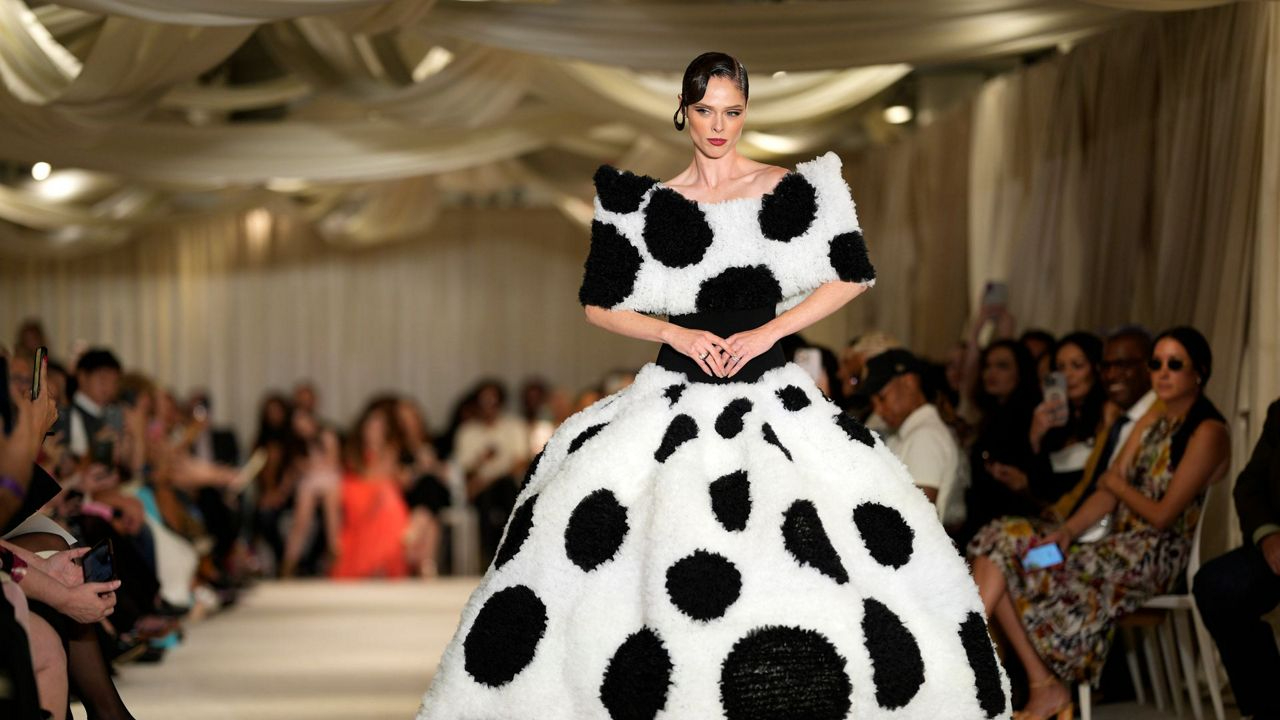
Artificial intelligence has quickly become a part of everyday life. As its popularity continues to grow, regardless of whether people view it positively or negatively, it has made its way into many areas of the workforce –including the fashion industry.
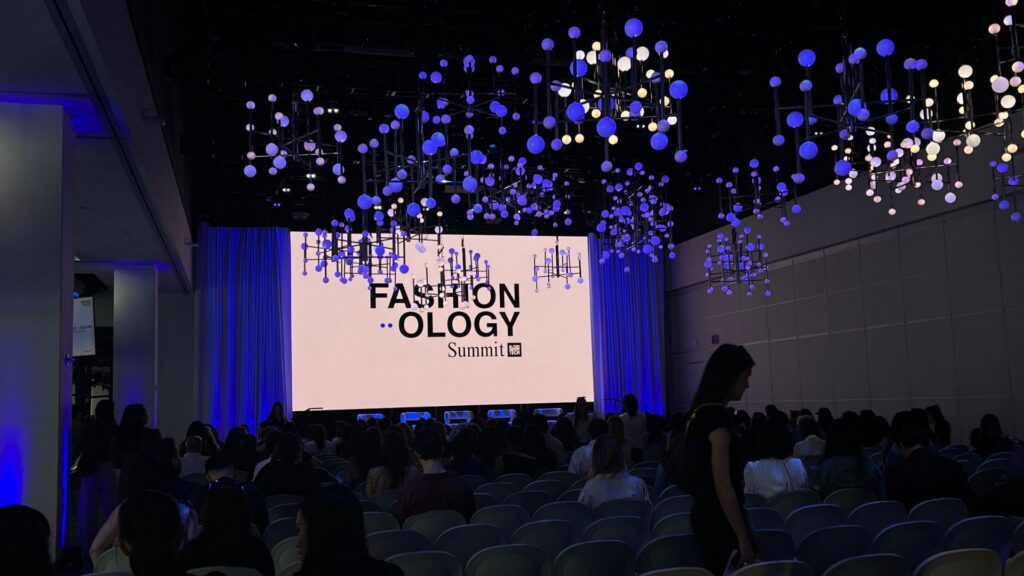
When I first heard the term “fashion tech,” I was very confused. I didn’t really understand how technology could be involved within fashion, other than seeing technology incorporated into garments and couture collections by designers like Iris van Herpen.
Trying to understand this new phrase, I turned to the most reliable and accurate online research platform I know – Google, of course.
Google informed me that fashion tech involves areas like e-commerce and creating a better online shopping experience for customers. While that gave me a basic understanding, it didn’t really go into much detail, and I was still kind of confused about what fashion tech actually was.
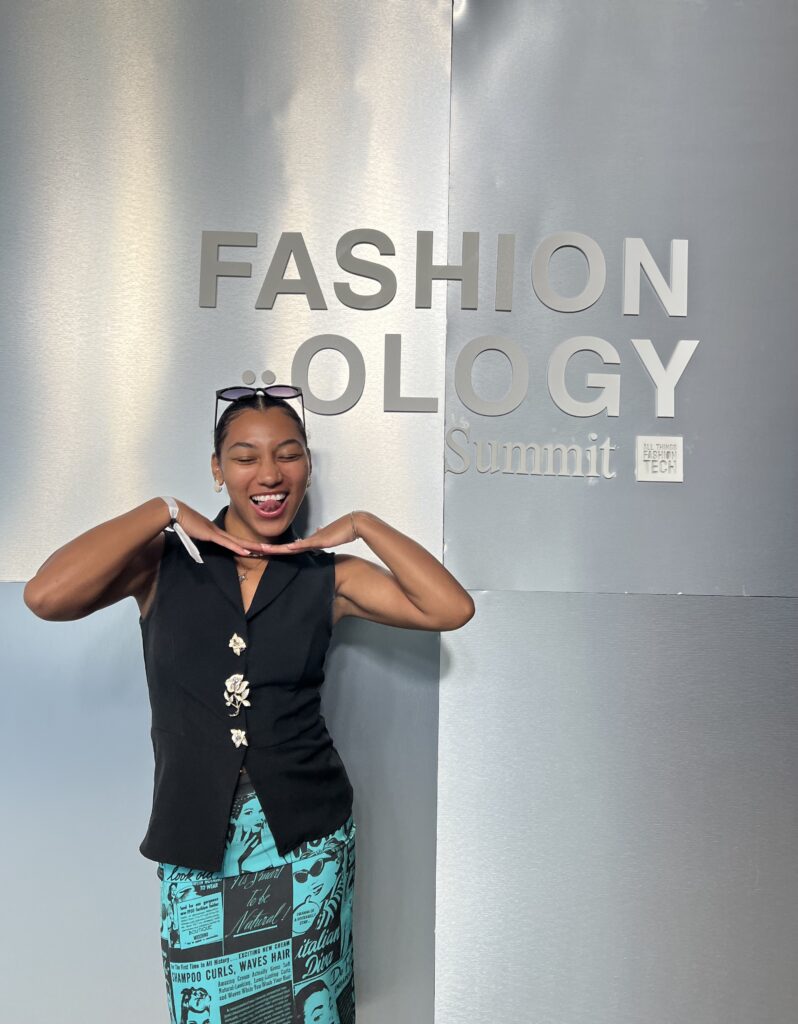
To learn more about this emerging sector of fashion, I attended the Fashionology Summit, an event held in New York City. The summit brings together companies, innovators, and industry professionals working at the intersection of fashion and technology to discuss where the industry is headed. After spending the day listening to panels and conversations, I walked away with a much clearer understanding of what fashion tech really is – and the many ways it is shaping the future of fashion.
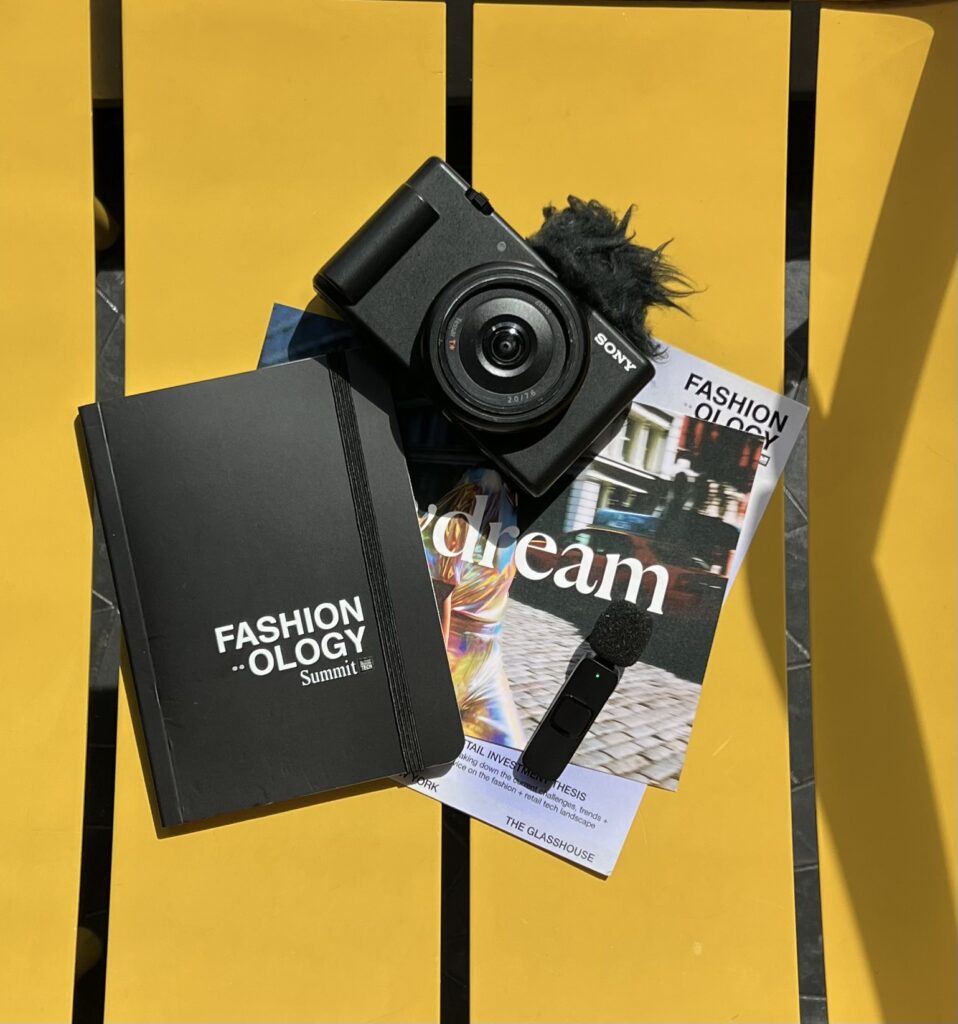
Panel Insights:
The summit featured many industry professionals with extensive knowledge of both fashion and technology. Representatives from companies such as The RealReal, Pinterest, eBay, ShopMy, WWD, WGSN, and many others spoke throughout the day.
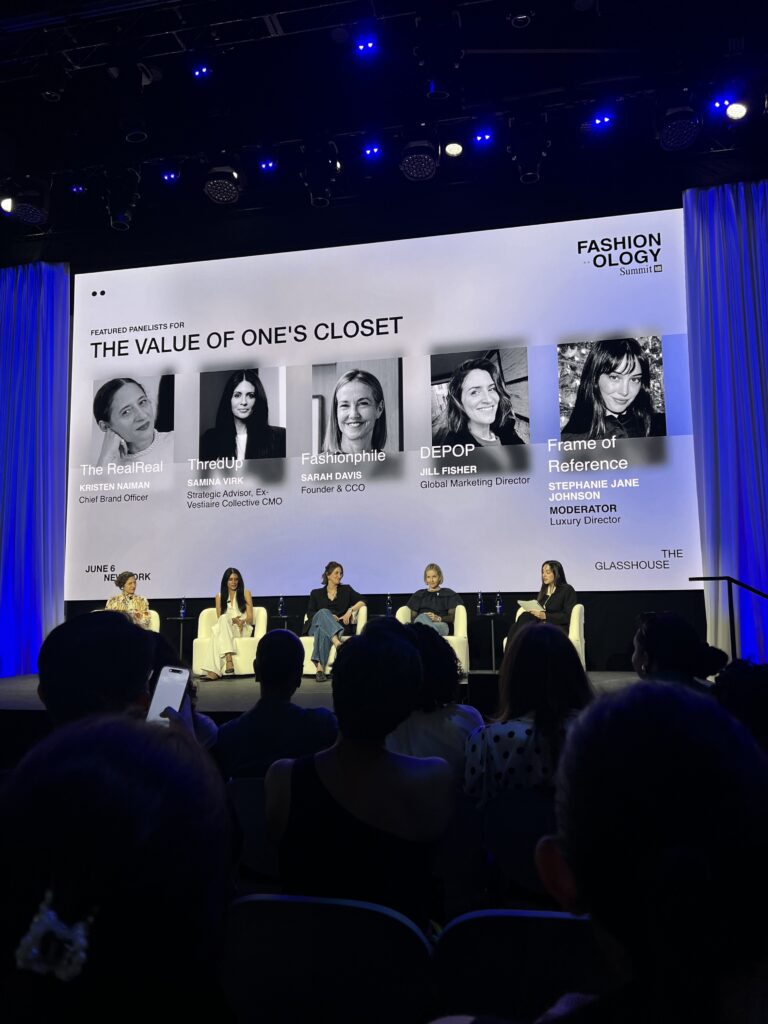
Many of the conversations centered around how AI will be integrated into the shopping experience to make it easier for consumers. This could mean using keywords and search tools to help shoppers find specific items more efficiently, or features that allow customers to see how clothing might look on their own bodies before making a purchase.
There were also discussions about the future of fashion forecasting in the age of AI. With the internet constantly changing and trends moving faster than ever, the question became: how do forecasters predict what’s next when trends can emerge and disappear overnight?
The panelists explained that instead of focusing solely on what is trending online, they pay close attention to the behaviors, interests, and habits of their target audience. Understanding the consumer is often more valuable than chasing every trend.
While there were many conversations about the future of fashion and AI, what I found most intriguing were the smaller businesses and startups attending the summit.
Fashion Tech Companies:
There were so many intriguing companies and ideas that I learned about throughout the summit. While the panels gave me insight into the future of fashion tech, talking to the companies themselves showed me how that future is already being put into practice.
SpreeAI was the first company I spoke with at the summit. Their intern, Charlotte Charlton, gave a very insightful and detailed explanation of what the company is trying to achieve in the fashion tech space.
SpreeAI is a virtual try-on platform that allows users to try on clothing from participating brands from the comfort of their own homes. In the company’s own words, “SPREEAI is the platform that replaces uncertainty with confidence.”
The idea addresses one of the biggest challenges of online shopping: the lack of fitting rooms. When shopping online, customers often have to guess what size will fit them best or whether a garment will look good on them. This uncertainty can lead to dissatisfaction and returns, creating additional work for both the customer and the brand.

SpreeAI aims to solve this problem through a virtual fitting room experience. Brands provide the measurements of their garments, while customers input information such as their height and weight. By combining these data points, the platform allows shoppers to visualize how a garment may look on their body before making a purchase.
By helping customers make more informed purchasing decisions, SpreeAI hopes to reduce returns and create a more efficient and confident e-commerce shopping experience.
Another company that caught my attention was Tote, founded by Kat Sheppard. The company is rethinking the search bar experience on fashion e-commerce websites by helping customers find exactly what they are looking for more quickly and efficiently.
Tote’s mission centers around improving the online shopping experience and helping turn browsing into buying. As stated on their website, “Tote builds smarter, more human-centric shopping experiences for brands to turn browsing into buying.”
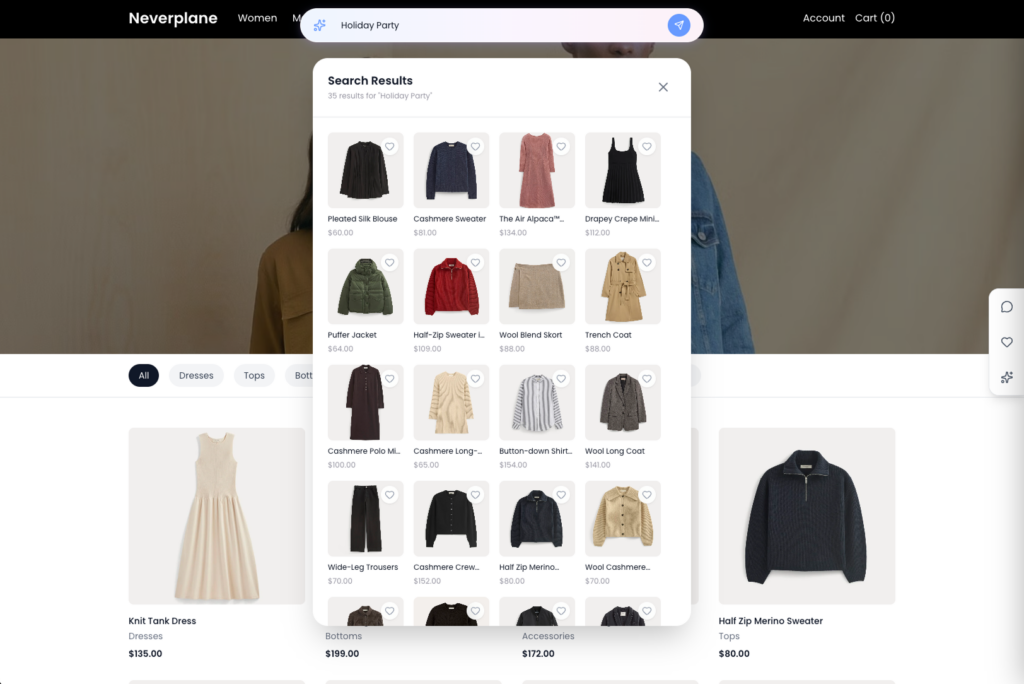
The platform works directly with brands and integrates into their websites. Instead of relying on basic keyword searches, Tote helps customers search more efficiently by providing each shopper with a personalized assistant that understands their preferences and helps them find products that match what they are looking for. For example, if someone were shopping on the Coach website and wanted a brown handbag that was smaller than a large tote bag, Tote could scan the website’s inventory and pull up products that match that description.
By making search results more accurate and personalized, Tote helps customers spend less time scrolling through pages of products and more time finding items they actually want. This creates a smoother shopping experience for consumers while also helping brands connect customers with products they are more likely to purchase.
Authentication in the luxury handbag market can be tricky, especially when proof of authenticity comes in the form of a paper certificate that can be lost, damaged, or even forged.

Lucy Holland, founder and CEO of Veritas, is looking to change that. One thing I thought was especially interesting about the company is not only its mission but also its name. Veritas means “truth” in Latin, which perfectly aligns with the company’s goal of providing trusted authentication for luxury goods.
In the company’s own words, Veritas is “the trusted way to verify luxury.” The company works with luxury brands to embed an invisible chip into a handbag or product. Customers can simply hold their phone near the item to instantly verify whether it is authentic.
Each product is also assigned a digital certificate, providing owners with a secure and permanent record of authenticity. Rather than relying on paper documentation, Veritas offers a more seamless way to verify luxury goods and gives customers peace of mind that travels with them wherever their item goes.
Another company that is changing the game while simultaneously bringing the iconic Clueless closet to life is KITME.
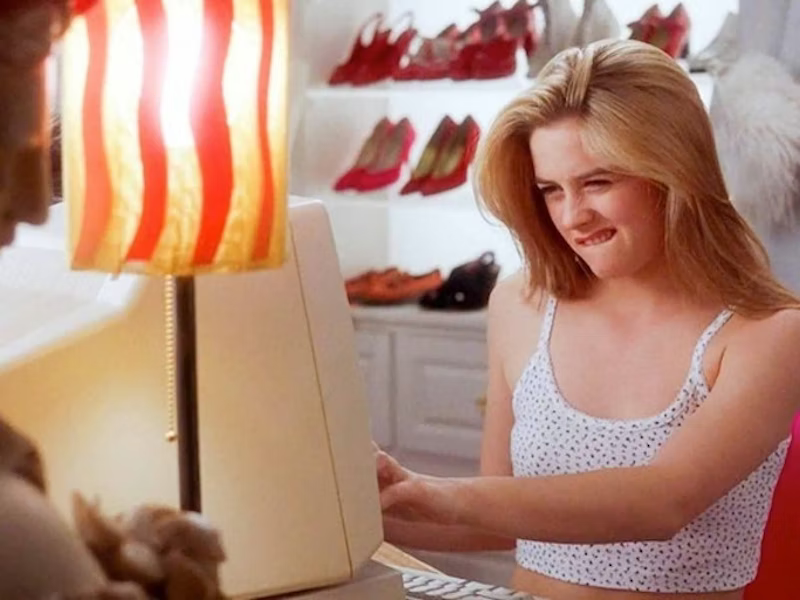
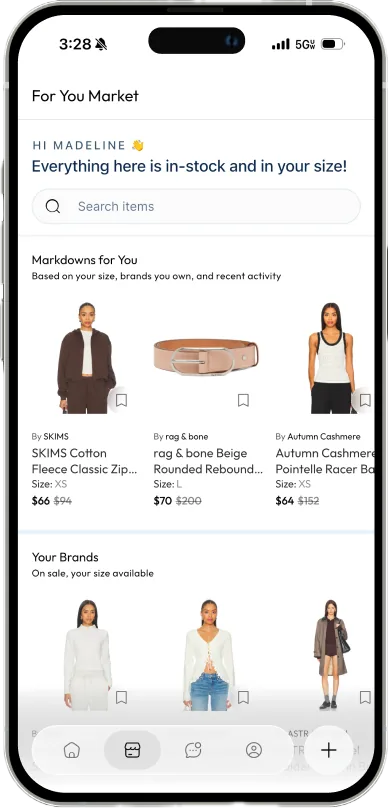
KITME is a virtual closet app designed to make your wardrobe smarter. The app connects to your email and scans your purchase receipts to identify items you’ve bought and automatically add them to your digital wardrobe.
Once your closet is uploaded, you can browse your wardrobe, style outfits, and even shop pieces from other brands with the AI Try-On feature. As KITME states, “For all of us overwhelmed by closet chaos, KITME transforms your email receipts into a digital closet experience that saves you time, money, and decision fatigue.”
While speaking with co founder, Madeline Walter and director of marketing, Maeleigh Moore, they gave me a great example of why the app is so useful. If you’re getting ready to go out with friends and everyone is texting the classic question, “What are you wearing?” you can simply check the KITME app and share your outfit without having to dig through your closet.
By organizing clothing digitally and making outfit planning easier, KITME aims to help users get more out of the wardrobes they already own while reducing the stress of deciding what to wear.
My Thoughts
Before attending the Fashionology Summit, I thought fashion technology was simply technology incorporated into clothing or to improve the display of an e-commerce website. After speaking with the companies and professionals at the event, I realized that fashion tech is much broader, and it will play a larger role in the future of fashion than many consumers realize.
What I gathered from this summit is that fashion is moving toward a more efficient and technology driven future. It was interesting to see how many companies are already finding innovative ways to solve common problems within the industry, whether that’s reducing returns, improving search functions, verifying authenticity, or helping people manage their wardrobes.
I found many of these concepts fascinating, and I’d love to learn more about how some of the technology behind them actually works. For example, I’m still amazed that an app can scan my email receipts and automatically build a digital version of my closet.
While I don’t necessarily worry that technology will take over jobs, because I believe (and hope) we will learn to work with AI rather than have it completely replace us, I do wonder how much personal information we are willing to share in exchange for convenience. Who else has access to my body measurements? What information is being collected when an app scans my receipts?
Are there safeguards in place to ensure that data remains private? Even if companies promise to protect user data, can they guarantee that information will never be stolen, leaked, or hacked in the future?
These concerns about privacy aren’t something new. In Lopez v. Apple, plaintiffs alleged that Siri recorded private conversations after being accidentally activated and shared those recordings with third parties. In January 2025, Apple agreed to settle the class-action lawsuit without admitting wrongdoing. According to the settlement, the case was brought on behalf of Siri-enabled device users whose confidential or private communications were allegedly obtained or shared as a result of unintended Siri activation.

While the technologies presented at the Fashionology Summit are very different from the Lopez v. Apple lawsuit, cases like this raise important questions about trust, data collection, and privacy.
I’m not saying these ideas are bad – many of them actually solve real problems for consumers. However, they did leave me thinking about where we draw the line between innovation and privacy, especially as these technologies become more advanced and more normalized in our everyday lives.
As fashion technology continues to evolve, I think the conversation shouldn’t just be about what technology can do, but also where we draw the line about what it shouldn’t do.
But to end on a high note, I was extremely impressed by the Fashionology Summit and the people behind it. It was inspiring to see so many companies and entrepreneurs sharing their ideas and demonstrating how they are using technology to solve problems within the fashion industry.